

Explore Azeroth anew
What's New in WoW Forever
WoW Forever vs. WoW Classic Era
A familiar Azeroth with new character paths, a wider world, and more reasons to explore together. This guide compares the October 2026 beta and confirmed plans with regular Classic Era.
Forever is in beta. Every change is labeled as in beta testing, announced for launch, or planned, and links to its official source.
The familiar foundation
Nine original classes, a level-60 journey, Horde and Alliance identities, and deliberate Classic combat remain the foundation. Beta tuning is still evolving; announcements are not a promise that every feature is playable today.
Classes & Talents
12 verified differences
Reworked specializations retain Classic’s talent-tree structure.
Previously: Era builds use the original 1.12 talent trees and their 11/21/31-point milestones.
Now: Forever revisits all nine classes and adds a 16-point milestone. Key buffs such as  Divine Spirit,
 Blessing of Kings, and
 Improved Mark of the Wild move into baseline class tools.
Why it matters: More leveling builds reach a defining ability before the final talent row.
 Holy Strike, baseline
 Consecration, and a Seal-based taunt.
Previously: Era Protection lacks a standard taunt; Consecration and Kings require talents.
Now:  Seal of Fury makes
 Judgement taunt; Consecration is learned at level 20 and Kings is baseline. Holy Strike is available from level 6 with a 10-second cooldown after the September 24 revision.
Baseline changes
Judgement no longer consumes the active Seal, reducing repeated Seal casts. Consecration becomes baseline and concentrates its strongest damage and threat on the first four targets; damage and threat are lower beyond that. These changes support tanking without making every Paladin an unrestricted area tank.
Holy: varied healing and support
 Holy Shock has a 10-second cooldown.
 Infusion of Light turns critical Holy Shock or
 Flash of Light heals into faster
 Holy Light casts;
 Reverence permits Spirit-based Mana regeneration while casting.
 Light’s Vigil can reset Holy Shock and provide either offensive damage or party healing, giving Holy more choices than repeatedly casting the same heal.
Protection: Mana, taunts, and defense
 Improved Seal of Fury returns Mana from Seal absorbs and
 Shield Specialization returns it from blocks.
 Swift Judgment can reset Judgement once per minute to recover from a missed taunt.
 Templar’s Bulwark adds a maximum-Health-based absorb.
 Reckoning can trigger from blocks with a 1.5-second trigger cooldown and stores up to four extra attacks for your next swing; the October 8 Mana returns no longer create additional threat.
Retribution: weapon and spell builds
 Sacred Arbiter strengthens Holy Strike and refreshes Judgements through it.
 Champion of the Light converts Intellect into spell damage, now at 10/20/30% after the October 15 tuning.
 Twist of Light lets a previous Seal echo into the next swing and reduces Seal Mana costs by 20%.
 Vengeance builds up to three stacks from non-periodic criticals, supporting sustained melee and Holy damage.

Why it matters: Paladins can manage tanking threats through their own Seal and Judgement identity.

More reliable resource generation and a rebuilt middle of the Fury tree.
Previously: Era Rage depends heavily on damage; shield absorbs can reduce incoming-damage Rage.
Now: Absorbs no longer penalize incoming Rage, and critical attacks generate 100% extra Rage. The latest Fury tree adds  Lingering Rage,
 Furious Precision, and
 Gore Drinker;
 Whirlwind hits with both weapons without a talent requirement.
Baseline: stance flexibility and recovery
 Tactical Mastery is learned at level 14 and retains 10 Rage through stance changes, with Arms talents extending retention to 25.
 Victory Rush arrives at level 20: killing a non-trivial enemy enables a damaging attack that heals 10% maximum Health.
 Recklessness,
 Retaliation, and
 Shield Wall no longer share a cooldown, and
 Thunder Clap works in
 Defensive Stance.
Arms: weapons, bleeds, and  Overpower
 Weaponmaster combines the former weapon specializations into bonuses determined by the equipped weapon.
 Bloodthrill can enable Overpower from main-hand attacks against a
 Rend target.
 Spearing Strike costs 15 Rage, has a 20-second cooldown, and dismounts its target; it requires
 Battle Stance rather than a two-handed weapon.
 Deep Wounds is a rolling bleed without Attack Power scaling and remains a prerequisite for
 Impale.
Fury: an updated route through the tree
The October 2 revision replaces  Improved Cleave and Boundless Rage with new choices. Lingering Rage delays out-of-combat decay by up to 10 seconds, and Furious Precision adds 4/7/10% off-hand hit.
 Flurry now requires
 Death Wish instead of
 Enrage. Gore Drinker makes Enrage,
 Berserker Rage,
 Bloodrage, Death Wish, and
 Bloodthirst trigger healing on the next three melee attacks, while Bloodthirst’s Attack Power ratio increases from 35% to 45%.
Protection: active shield play
 Vanguard lets
 Charge work in Defensive Stance. Shield Specialization can grant 5 Rage on a block, and
 Master of Defense can grant Rage after dodging or parrying with a shield.
 Improved Revenge increases damage instead of providing the old stun proc. The revised early rows give non-shield builds access to utility, but
 Defiance’s extra Defensive Stance threat still requires a shield.
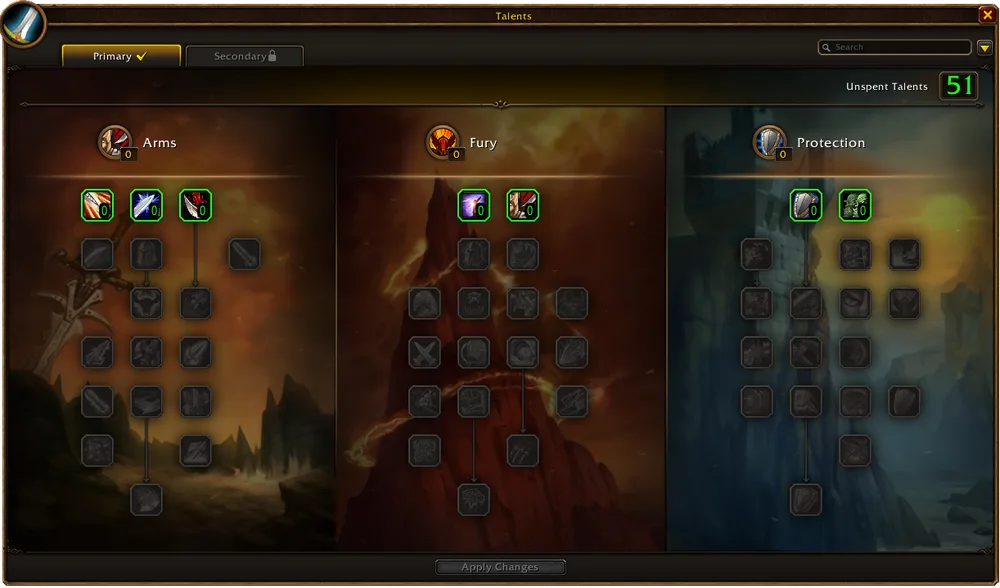
Why it matters: Resource gains and early utility depend less on being hit hard or taking mandatory late-tree talents.

Wider access to  Fear Ward, plus new healing and damage options.
Previously: Era Fear Ward is Dwarf-only and  Devouring Plague Undead-only.
Now: All Priests learn Fear Ward and Devouring Plague at level 20. Discipline gains  Penance, Holy gains
 Binding Heal and
 Prayer of Mending, and
 Shadow Word: Death becomes a level-32 baseline spell.
Baseline: fewer race and party restrictions
Divine Spirit is baseline at level 30.  Prayer of Healing heals the target’s party, including pets, rather than only the caster’s party. Multiple Priests can keep
 Renew on the same target. Shadow Word: Death is an instant level-32 attack on an 18-second cooldown; if it does not kill the target, the Priest takes damage equal to 10% maximum Health.
Discipline: shields and Penance
 Soul Warding reduces
 Power Word: Shield’s cost and cooldown. Penance is a two-second offensive or healing channel with a 12-second cooldown.
 Renewed Hope rewards healing targets with
 Weakened Soul and shortens that debuff;
 Divine Aegis adds an absorb after critical heals. October 8 recalculates Penance for its actual two-second channel, including rank-specific healing and Mana adjustments.
Holy: healing more than one target
Binding Heal heals both the Priest and an ally with a 1.5-second cast. Prayer of Mending places a reactive heal that jumps up to five times and has a 10-second cooldown.  Litany of Light refunds part of the Mana cost when the new healing spell differs from the previous one, rewarding varied healing rather than a single repeated cast.
Shadow: a revised damage cycle
 Shadowform allows non-healing spells, cuts Shadow spell Mana costs by 50%, and increases their critical-damage bonus. Devouring Plague has a 24-second cooldown, and
 Devouring Contagion spreads it to two nearby enemies when its victim dies; Early Demise strengthens Shadow Word: Death below 20% Health.
 Vampiric Embrace changes into a 30-second effect that can’t be resisted, on a 30-second cooldown, and
 Shadow Weaving benefits the casting Priest rather than the whole raid.
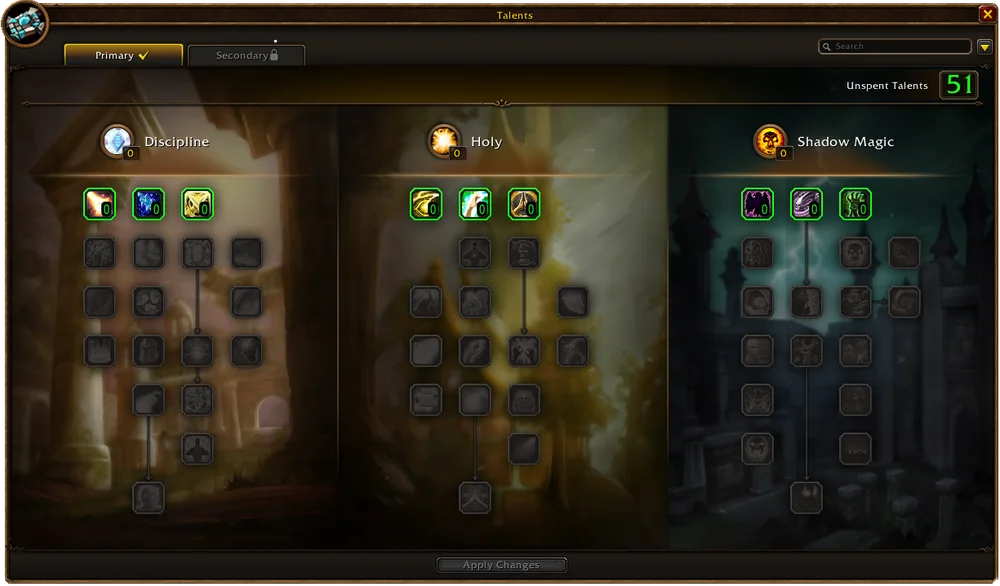
Why it matters: Race no longer gates two important class spells, while each healing tree gains a distinct approach.

Dedicated Energy recovery, Bear threat, and group healing.
Previously: Era Cats rely on shapeshifting for Energy; Restoration lacks  Wild Growth.
Now:  Shifting Power grants 40 Energy on a 16-second cooldown before talent reductions.
 Primal Bite adds a Bear threat attack, Wild Growth adds group healing over time, and the latest beta raises Bear threat to 50%.
Baseline: useful tools in every form
 Revive adds an out-of-combat resurrection at level 12.
 Nature’s Grasp and
 Omen of Clarity become baseline, and
 Entangling Roots works indoors. More consumables and interactions are available without leaving form; October 8 specifically fixes Mana Potions in Bear, Dire Bear, and
 Cat Form.
 Barkskin can also be used while shapeshifted.
Balance: connecting  Wrath and
 Starfire
 Insect Swarm moves into Balance and
 Hurricane loses its cooldown.
 Eclipse lets Wrath prepare faster Starfire casts.
 Moonkin Form’s aura raises spell critical chance for the whole raid, while
 Leader of the Pack covers melee and ranged critical chance; Moonkin can cast non-healing spells and has twice the Omen of Clarity trigger chance while the form is active.
Feral: distinct Cat and Bear tools
Primal Bite is a Bear attack, while Shifting Power trades 55% base Mana for 40 Cat Energy; its cooldown can fall from 16 to 8 seconds with talents and it cannot be used at full Energy.  Berserk lasts 15 seconds on a three-minute cooldown: it removes Fear, lets Primal Bite strike multiple targets without its normal cooldown, and boosts Cat combo-ability critical chance. This replaces reliance on repeatedly changing form for Energy.
Restoration: party healing and earlier  Swiftmend
 moves from the 31-point slot to the 16-point milestone and no longer consumes  Rejuvenation or
 Regrowth. Wild Growth applies a seven-second heal-over-time to the selected player’s party, including pets, with a six-second cooldown.
 Gift of the Earthmother shortens the global cooldown of Rejuvenation, Swiftmend, and Wild Growth by 0.5 seconds.




Why it matters: Each form and healing specialization gains a purposeful tool without turning Druids into every other class.

Recall and Projection reduce repeated totem setup.
Previously: Era Shaman replace totems individually and cannot reposition a full set.
Now:  Totemic Recall destroys totems and returns 25% of their Mana cost;
 Totemic Projection moves them up to 30 yards. Talent additions include
 Water Shield,
 Riptide, and
 Lava Burst.
Baseline: less repeated setup
Persistent buff totems last five minutes instead of two and their global cooldown falls from 1.5 to one second. Weapon imbues last 60 minutes instead of five and coexist with temporary enchants such as Wizard Oil.  Fire Nova becomes a spell triggered at the active Fire Totem’s location; Resistance Totems affect the raid rather than only the party.
Elemental: new casts, different critical tools
Lava Burst, now the 21-point talent, is a 2.5-second Fire cast with a 10-second cooldown and 20% extra damage against a target carrying your  Flame Shock.
 Elemental Alacrity makes casting support available earlier in the tree.
 Elemental Mastery returns as the 31-point talent: for 15 seconds
 Lightning Bolt and Lava Burst cast 0.5 seconds faster and
 Chain Lightning has no cooldown.
 Elemental Focus, pushback protection, and revised range talents support sustained casting and new spell choices.
Enhancement: earlier  Stormstrike and instant Lightning Bolt
Stormstrike moves from 31 to 16 points and its cooldown falls from 20 to eight seconds. It empowers your next Lightning Bolt, Chain Lightning, or  Earth Shock rather than the next Nature attacks from any player.
 Maelstrom Weapon can make Lightning Bolt instant. Rage of the Farseer grants the Shaman 30% attack speed for 25 seconds on a three-minute cooldown; it is personal, not a raid-wide Bloodlust.
Restoration: earlier Mana tools and Riptide
Water Shield is an 11-point talent, restoring Mana from incoming attacks or critical healing.  Mana Tide moves from 31 to 16 points. Riptide adds an instant heal and a 15-second heal-over-time on a six-second cooldown;
 Chain Heal is 25% stronger on a target with your Riptide. These changes add active decisions alongside the familiar chain-healing role.
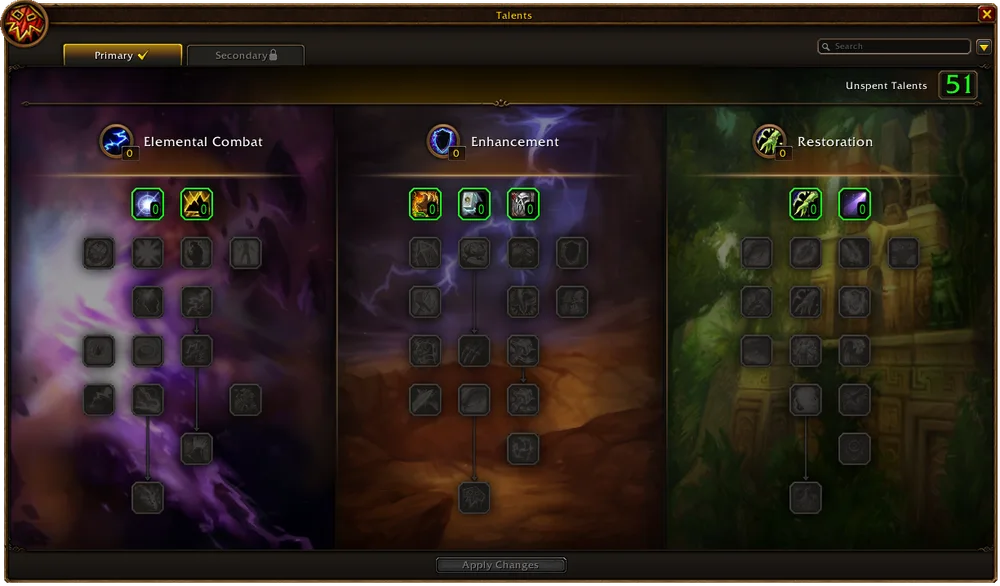
Why it matters: Movement and Mana management become easier while positioning still matters.

 Lone Wolf and long-range
 Sniper Shot change Marksmanship choices.
Previously: Era damage builds normally include an active pet; Sniper Shot is absent.
Now: Lone Wolf grants 20% more attack damage without a pet. Sniper Shot reaches 45 yards and extends the next three shots by 10 yards; the October 1 beta fixes its follow-up range.
Baseline: shots and traps in combat
 Aimed Shot becomes trainable at level 20. It no longer shares a cooldown with
 Arcane Shot, but now shares one with
 Multi-Shot. Traps work in combat on a 30-second cooldown, with separate Fire and Frost trap cooldowns. These are new tactical options, but the close-range dead zone and the need to place traps at the Hunter’s own location remain.
Beast Mastery: pets that grow with your gear
Pets scale from Hunter gear instead of receiving player stat buffs. Every family can learn Bite or  Claw and
 Dash or
 Dive, with distinct family abilities; Foxes are new.
 Summon Hawk is a 16-point talent that summons an attacking hawk for 18 seconds, with up to two active. Pet talent bonuses also support these hawks.
Marksmanship: earlier buffs and deliberate long shots
 Trueshot Aura moves from the 31-point slot to 21 points, with lower-level ranks, and covers the whole raid.
 Careful Aim turns Intellect into Attack Power and
 Rapid Recuperation helps Mana recovery through
 Serpent Sting. Sniper Shot has a four-second cast and a 15-second cooldown, making its long-range follow-up a choice that requires time to set up.
Survival: melee, traps, and movement
 Strider Kick combines a melee attack with 30% movement speed for three seconds.
 Expose Prey can enable Mongoose Bite through attacks on a marked target and now lasts 10 seconds. Lacerating Strikes adds a 21-second bleed to Mongoose Bite. Entrapment is limited to the initial
 Frost Trap trigger and obeys diminishing returns, rather than repeatedly rooting through its periodic effect.
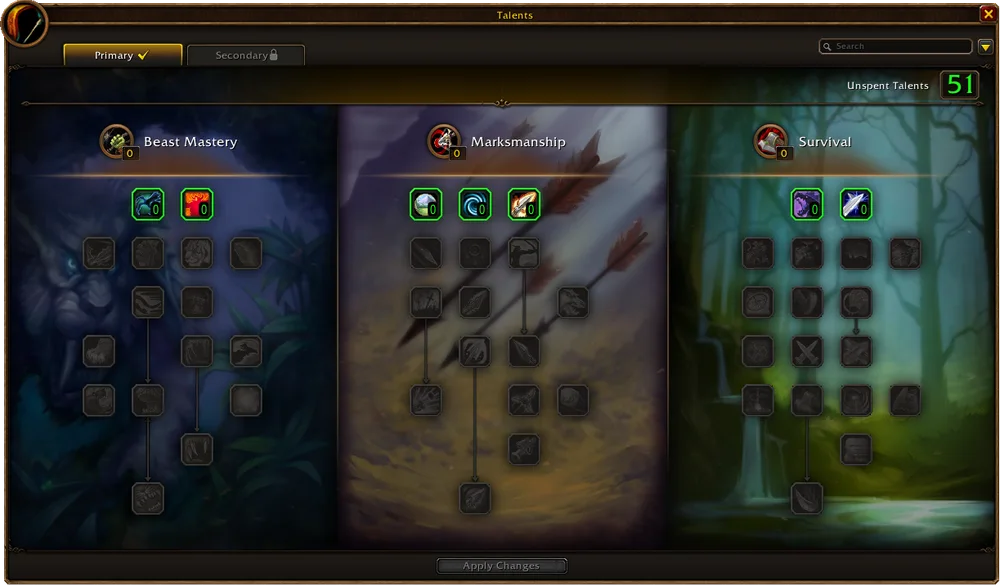
Why it matters: A petless build becomes a deliberate talent choice rather than simply giving up pet damage.

 Arcane Blast,
 Missile Barrage,
 Ice Lance, and
 Fingers of Frost.
Previously: Era Arcane lacks Arcane Blast; Frost has no Ice Lance or Fingers of Frost.
Now: Arcane Blast stacks spell damage from Intellect for your other spells; Missile Barrage enables faster, free  Arcane Missiles. Ice Lance and Fingers of Frost create a talent-supported instant-cast Frost attack.
Baseline: scrolls and spell ranks
 Comprehension is a Mage-specific minor tradeskill for deciphering scrolls found on creatures.
 Mage Armor gains stronger Spirit-based Mana regeneration. Substantially downranked spells have reduced chances to trigger talents such as Arcane Concentration and
 Impact, changing the value of fishing for free procs with very cheap spells.
Arcane: build a stack, then choose a follow-up
Arcane Blast casts in 1.5 seconds; each cast grants 15% of your Intellect as spell damage for 15 seconds, up to four stacks, while raising its own Mana cost. Missile Barrage, now a 2-point first-row talent, can make Arcane Missiles free and twice as fast, with Arcane Blast having the highest proc chance. The 16-point  Arcane Wrath adds a 3.5-second cast that scales with maximum Mana. The tree encourages building stacks and then spending them on bigger spells rather than only repeating Arcane Blast.
Fire: individual  Ignite and faster
 Pyroblast
Each Mage now has a separate Ignite instead of sharing one debuff with other Mages, improving damage and threat attribution.  Heating Up stacks 25% Pyroblast cast-time reductions from eligible non-periodic criticals; three stacks allow a 1.5-second Pyroblast.
 Improved Scorch’s vulnerability benefits only the casting Mage rather than the entire group.
Frost: new procs with control trade-offs
Ice Lance deals increased damage to Frozen targets, including targets treated as Frozen by Fingers of Frost.  Ice Block moves to the 16-point milestone.
 Improved Blizzard’s maximum slow falls from 65% to 40%, while
 Cold Snap moves to 21 points and its cooldown rises from five to ten minutes.
 Winter’s Chill no longer raises critical chance: its stacks now increase the casting Mage’s
 Cone of Cold damage by 40% each. A new
 Frost Blast spell slows targets without down-ranking
 Frostbolt.
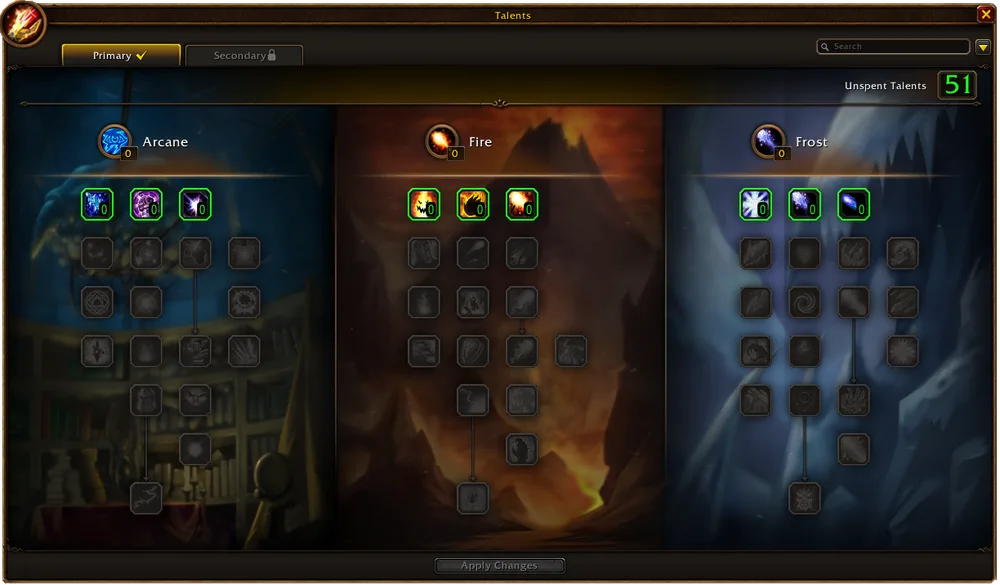
Why it matters: These trees reward mixing spells instead of relying on one repeated cast.
Assassination, Combat, and Subtlety reward different finishers and tactics.
Previously: Era relies on its original weapon specializations, poison charges, and talent-gated improved  Sap.
Now: Poisons gain charges and coexist with temporary weapon enchants; Sap keeps  Stealth by default, and one-handed axes become usable. New specialization tools include
 Mutilate,
 Venom,
 Hack and Slash,
 Cutthroat, and
 Thousand Cuts.
Baseline: poisons and party control
Poisons coexist with Sharpening Stones or Weightstones and have increased charges.  Feint’s threat reduction doubles.
 Distract lowers affected enemies’ Stealth detection for 10 seconds.
 Expose Armor matches roughly five same-level
 Sunder Armor stacks and no longer prevents a Warrior using Sunder for threat; a missed Expose Armor also preserves Combo Points.
Assassination: daggers and poison finishers
Mutilate costs 60 Energy, requires two daggers, strikes with both hands, and awards two Combo Points, with extra damage against Poisoned targets. Venom is a 25-Energy finisher granting 30% more poison damage and 10% more application chance for a Combo-Point-dependent duration.  Cold Blood moves to 16 points, while
 Vigor becomes a normal two-point talent rather than the capstone.
Combat: broader weapon choices
Hack and Slash combines the old weapon specializations and supports axes; maces ignore armor rather than randomly stunning. Weapon Expertise reduces enemy Dodge and Parry chance.  Flawless Execution reduces
 Eviscerate’s Energy cost by 10, while Aggression and Puncturing Wounds provide additional Backstab support alongside
 Sinister Strike builds.
Subtlety: bleeds and attacks outside Stealth
 Premeditation moves to 16 points and lasts 20 seconds. Cutthroat can make the next
 Ambush usable without Stealth after Backstab;
 Quietus strengthens selected attacks below 35% target Health. Thousand Cuts makes Rupture ticks reduce the next Backstab or
 Hemorrhage cost by 3 Energy per stack, up to five stacks, connecting bleed uptime with cheaper attacks.
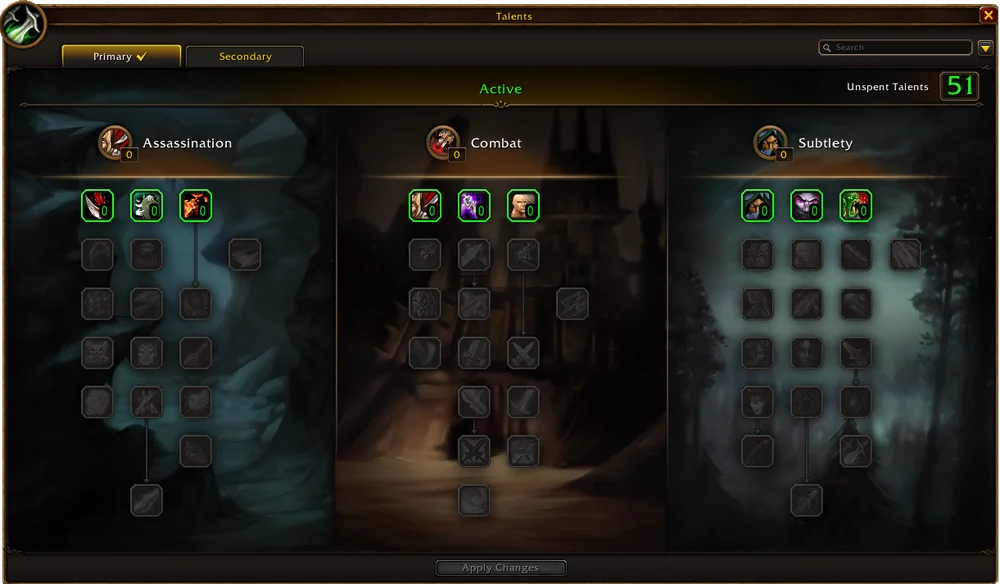
Why it matters: A poison-focused dagger build, direct weapon damage, and bleed-driven combat tricks become distinct choices.

Each damage tree gains a different spell and pet relationship.
Previously: In Era,  Curse of Agony or Doom competes with utility Curses on the same target;
 Firestones and
 Spellstones use their original item behavior.
Now: Agony and Doom become Banes, separating damaging effects from utility Curses. Pets scale from the Warlock’s stats; Firestones and Spellstones become weapon imbues.  Wrack,
 Demonic Pact,
 Bane of Havoc, and
 Incinerate define new specialization choices.
Baseline: Banes and weapon imbues
Only one Bane per Warlock can affect a target, but it is separate from the utility Curse slot.  Curse of the Elements covers all magic damage and
 Curse of Shadows is removed. Firestone boosts Fire damage and critical chance; Spellstone boosts Shadow damage and spell haste, and both coexist with Wizard Oil. Life Tap scales with Spirit, while
 Drain Soul gains a progressive per-tick chance to generate a shard.
Affliction: critical periodic damage and draining
 Pandemic increases critical-damage bonuses for specified DoTs and drains.
 Nightfall can trigger from Drain Soul and Wrack as well as its earlier effects.
 Soul Siphon strengthens drains according to your Affliction effects already on the target, up to 36%. Wrack deals Shadow damage each second and increases damage from your other Shadow DoTs by 10% for six seconds, creating a drain-centered filler between refreshing effects.
Demonology: combine sacrifice and an active pet
 Demonic Sacrifice moves to 11 points and
 Soul Link to 21. Demonic Pact lets a sacrifice buff persist while a different demon is summoned; summoning the sacrificed type cancels it.
 Demonic Energies heals your pet from spell damage and transfers Life Tap Mana.
 Demonic Brand empowers the pet’s next two attacks, with the latest high-threat behavior restricted to its Shadow damage.
Destruction: mixing Fire and Shadow
 Conflagrate moves to 16 points and Bane of Havoc to the new 21-point milestone, copying 15% of damage dealt to other targets onto its victim. Incinerate casts in 2.5 seconds and gains 25% damage against an
 Immolate target.
 Shadow and Flame links Conflagrate to stronger Shadow damage and
 Shadowburn to stronger Fire damage; talents can prevent Immolate consumption or refund Shadowburn’s shard.

Why it matters: Damage-over-time, demon synergy, and Shadow/Fire casting have more distinct rotations and resource decisions.
Dual Specialization is announced from level 40.
Previously: Era has one active talent build and requires paid trainer resets to change it.
Now: Unlock Dual Specialization at level 40 to maintain a second talent build; trainer respecs still apply when changing the builds themselves.
Why it matters: Switch between established roles without rebuilding a talent tree every time.
A new level-40 spell supports hybrid talent builds.
Previously: Era has no single spell benefiting from both Fire and Frost talents.
Now:  Frostfire Bolt uses compatible talents from both schools, the stronger spell-damage bonus, and the target’s lower Fire/Frost resistance; it also applies periodic damage and a slow.
An example of a hybrid build
Blizzard illustrates the combination of Ignite and  Ice Shards: Frostfire Bolt can critically strike for 200% normal damage and then add Ignite equal to 40% of that critical, for 280% combined damage in the example. Its three-second base cast also benefits from
 Improved Fireball. This is a specific talent combination, not the damage multiplier of every Frostfire build.
Why it matters: A split Fire/Frost build gains a shared damage spell rather than two disconnected toolkits.
Races & Racials
3 verified differences
A new race with two faction identities and its own starting story.
 Skyborne


Previously: Classic Era offers the eight original races.
Now: Windshaper Skyborne join the Horde; High Order Skyborne join the Alliance. Both can be Druids, Hunters, Rogues, or Warriors; Horde also has Shaman and Alliance Mage. Access requires the Skyborne Heroic Pack or higher edition.




Why it matters: Choose a new origin without losing the faction identity that defines Classic.
Familiar races gain new class choices on both sides.
 Human
 Dwarf
 Gnome
 Orc
 Undead
 Troll
Previously: Paladins are Alliance-only and Shaman Horde-only in Era; other race/class choices are also restricted.
Now: Add Undead Paladins, Dwarf Shaman, Orc Mages, Troll Warlocks, Human Hunters, and Gnome Priests alongside the new Skyborne combinations.

Why it matters: Both factions can bring Paladin and Shaman tools into their groups.
Critical-strike racials instead of weapon skills, resource discounts, physical defense, and refreshed Undead utility.
DwarfGnomeUndeadPreviously: Era Humans, Orcs, and Dwarves gain weapon skill; Gnomes gain bonus Intellect;  Stoneform increases Armor, and
 Will of the Forsaken includes lasting immunity.
Now: Ruthless (Human),  Savage (Orc), and
 Earth Fury (Dwarf) replace the weapon specializations with critical strike chance or critical damage and healing.
 Eureka! is an 8-second buff that cuts Mana, Rage, or Energy costs by 10% and adds 10% damage. Stoneform reduces Physical damage instead of boosting Armor; Will of the Forsaken removes Charm/Fear/Sleep without lasting immunity. Cannibalize also restores Mana.
Why it matters: Race choice affects more playstyles, with explicit defensive compromises.
World & Exploration
2 verified differences
A new level 1–12 starting journey for Skyborne.
SkybornePreviously: Era has no Skyborne homeland or floating-island starting zone.
Now: Explore a skybound civilization in crisis, with elemental architecture, new quests, and a faction-specific Skyborne origin.


Why it matters: A returning player can experience a genuinely new opening adventure.
Mount Hyjal, Shen’dralas, and the Riverglades expand the original continents.
Previously: Era preserves Vanilla’s accessible world and quest areas.
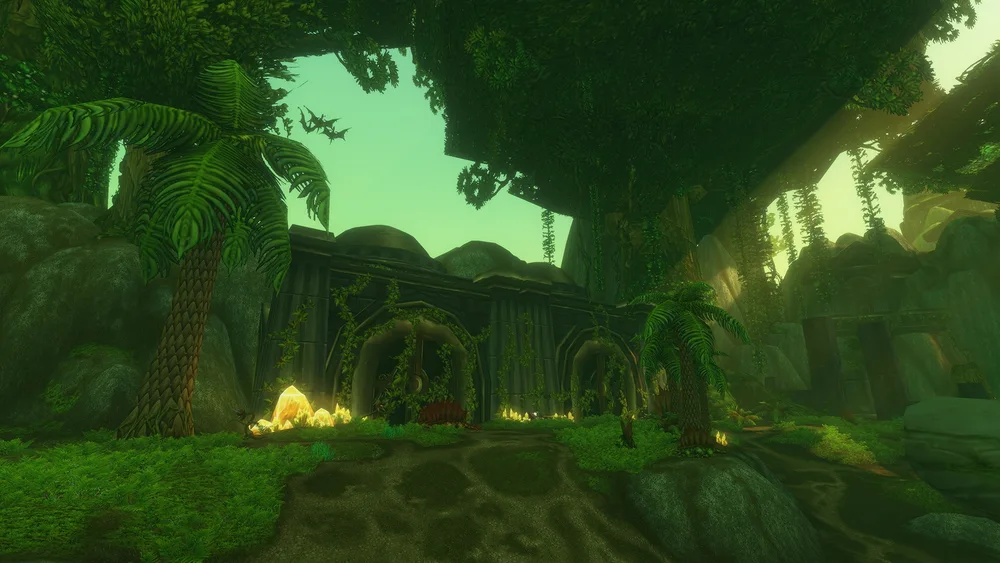
Now: The announced world adds adventures in Mount Hyjal, Shen’dralas between Mulgore and Desolace, and the Riverglades frontier, alongside more stories in familiar zones.




Why it matters: New exploration happens within Eastern Kingdoms and Kalimdor rather than replacing them.
PvP
2 verified differences
Separate currency and rank progress give PvP a clearer reward path.
Previously: Era Honor feeds weekly rank progression; gear purchases depend on the earned rank.
Now: Forever Honor is spendable currency; Rank Points separately advance ranks with weekly limits. Seasonal tasks reward both, and selected tasks award Legacy points.
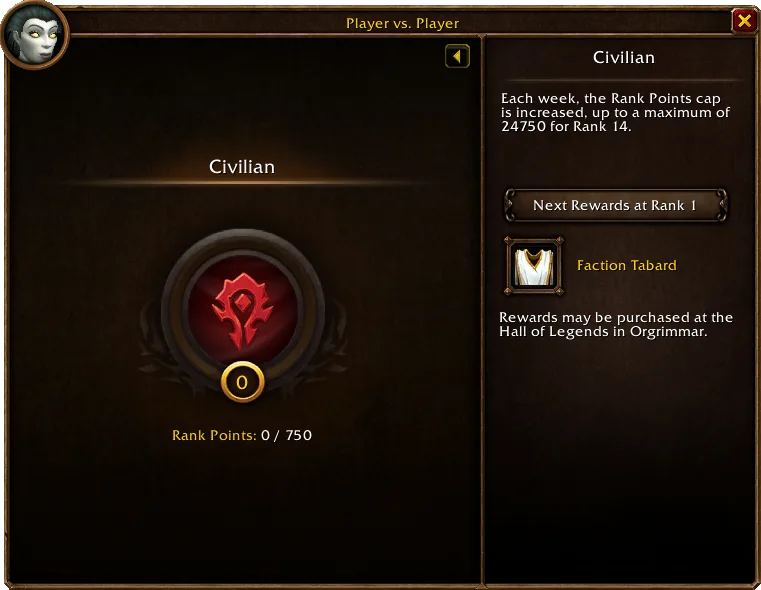
Why it matters: Buying gear and progressing toward Grand Marshal or High Warlord become separate goals.
A new 15v15 battleground combines bases and a central flag.
Previously: Era offers Warsong Gulch, Arathi Basin, and Alterac Valley.
Now: Control four points and deliver the central flag to a captured base. Levels 30–60 can compete; the first side to 2,000 points wins, with new faction reputation rewards.

Why it matters: Teams must balance defending bases with contesting the flag.
Dungeons
3 verified differences
Hall of Thanes and Ruins of Lordaeron are already in beta.
Previously: These locations are not playable dungeon instances in Era.
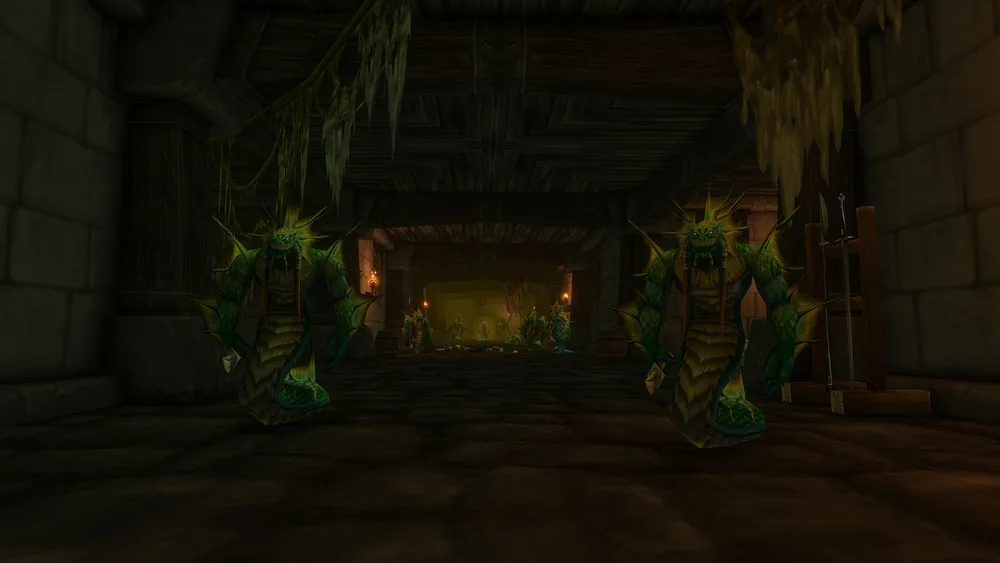
Now: Hall of Thanes brings level 13–18 dungeon content beneath Ironforge; Ruins of Lordaeron offers a level 15–20 adventure tied to the Forsaken.

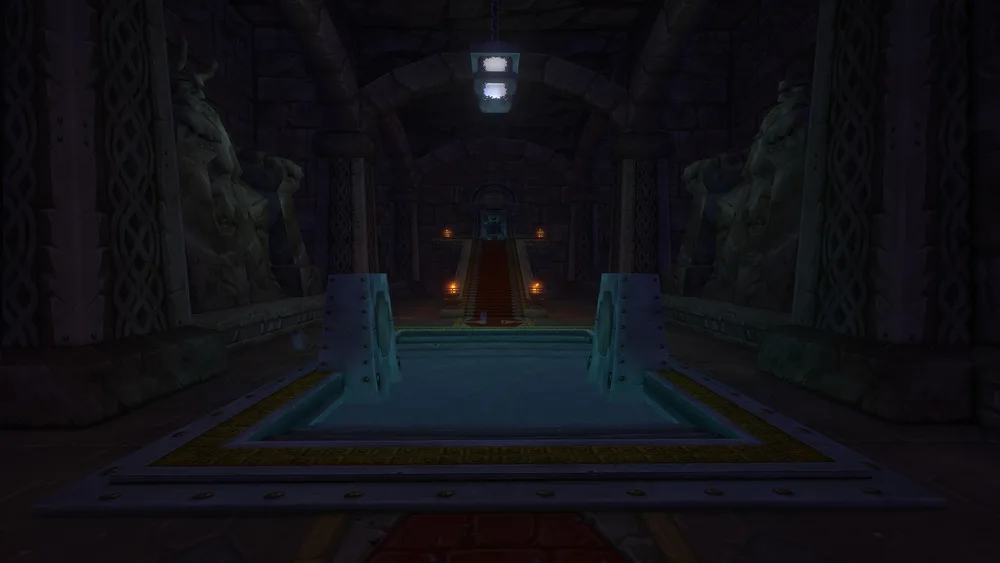
Why it matters: Low-level parties get new destinations without skipping the leveling journey.
The beta expands beyond its opening dungeons.
Previously: Era has no City of Dalaran or Wetlands excavation dungeon.
Now: The Wetlands excavation dungeon opened in the October 1 test, followed by City of Dalaran on October 8.


Why it matters: Returning groups encounter new locations and quests while leveling.
More group adventures are announced across original Azeroth.
Previously: Era’s dungeon roster comes from Vanilla.
Now: Beyond Hall of Thanes, Ruins of Lordaeron, the Wetlands excavation, and City of Dalaran, the announced lineup includes Blackmaw Hold, the Drowned City, Krol’dok Stronghold, Alcaz Prison, and the Shaper’s Terrace. Their announcement does not establish that each is available in the current beta.

Why it matters: Know which destinations are confirmed without confusing the roadmap with playable tests.
Raids
2 verified differences
An original-Azeroth raid expansion, announced for the raid rollout.
Previously: Era’s raid encounters end with the original Vanilla roster.
Now: Hyjal Summit is announced as 20-player raid content with new tier rewards. Blizzard’s roadmap schedules the new raid unlock for December 9, 2026; this is not a playable-beta claim.

Why it matters: Guilds get a new raid-size option and encounters in a familiar Warcraft location.
A smaller maximum-level raid joins the announced lineup.
Previously: Vanilla’s raid roster does not include Barrow Deeps.
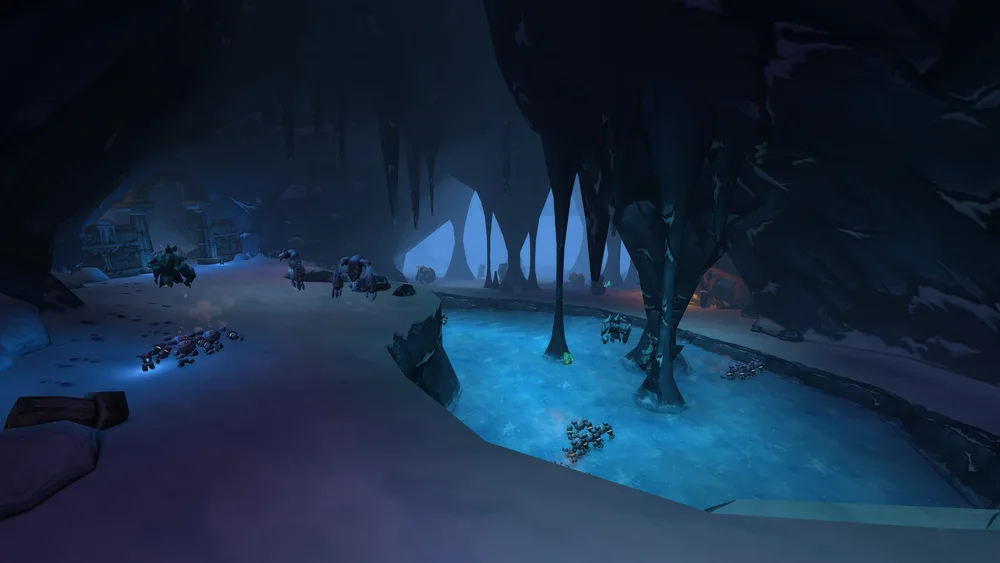
Now: Barrow Deeps is announced as a maximum-level 10-player raid, alongside new tier sets and a legendary reward whose full details remain unrevealed.
Why it matters: A smaller organized group can target new endgame encounters.
Items & Equipment
2 verified differences
Blue pieces upgrade into epic gear using rank-gated tokens.
Previously: Era rewards do not use Forever’s Honor-currency upgrade path.
Now: Purchase blue PvP pieces with Honor, then use Emboldened Seals to upgrade them. Shaman get healer, melee, and caster sets; the latest beta Honor cap is 25,000.
Why it matters: Specializations that lacked suitable rewards gain a dedicated gearing route.
Choose whether to see transmog without losing appearance collection.
Previously: Era shows equipped gear and has no transmog collection.
Now: The announced system can be disabled to see equipped gear. Eligible dungeon looters share Uncommon/Rare bind-on-pickup appearances; epic raid appearances go only to the player who receives the item.
Why it matters: Appearance hunting need not compete with dungeon upgrades or force a visual style on others.
Professions
2 verified differences
Crafted objects turn a campfire into a shared rest stop.
Previously: Era’s Cooking Fire is not a multi-profession camping system.
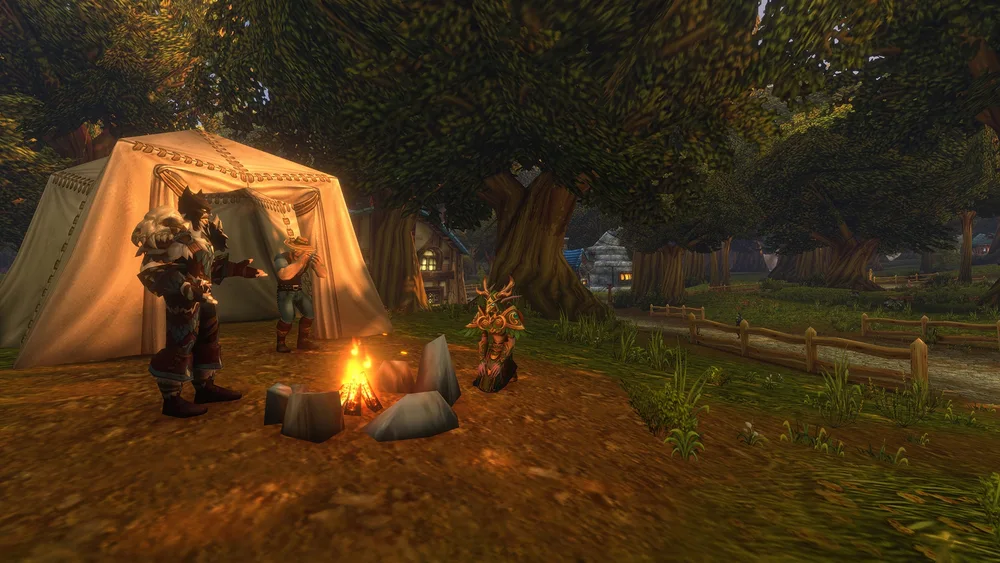
Now: Basic camps support three contributed objects, one per player, with a shared one-hour object cooldown. Resting can grant one-hour buffs or access to repairs, vendors, and workspaces; matching class buffs do not stack.

Why it matters: Professions create reasons to stop and cooperate outside cities.
Over 600 recipes and dungeon-earned campsite Blueprints are announced.
Previously: Era uses the Vanilla profession recipe progression.
Now: New recipes span professions and level ranges. Camping objects begin at skill 20; advanced Blueprints drop from dungeon bosses, while upgraded  Cooking campfires support five or ten objects.
Why it matters: Crafting and dungeon exploration support one another while leveling.
Leveling & Progression
4 verified differences
Account-wide progress, with a separate perk build for each character.
Previously: Classic Era has no Legacy challenge-and-perk system.
Now: Earn points through class, profession, exploration, PvP, dungeon, and raid challenges; spend them independently in Professions, Adventure, and Resourcefulness. The launch spending cap is 16 per character; beta testers have 16 to test.

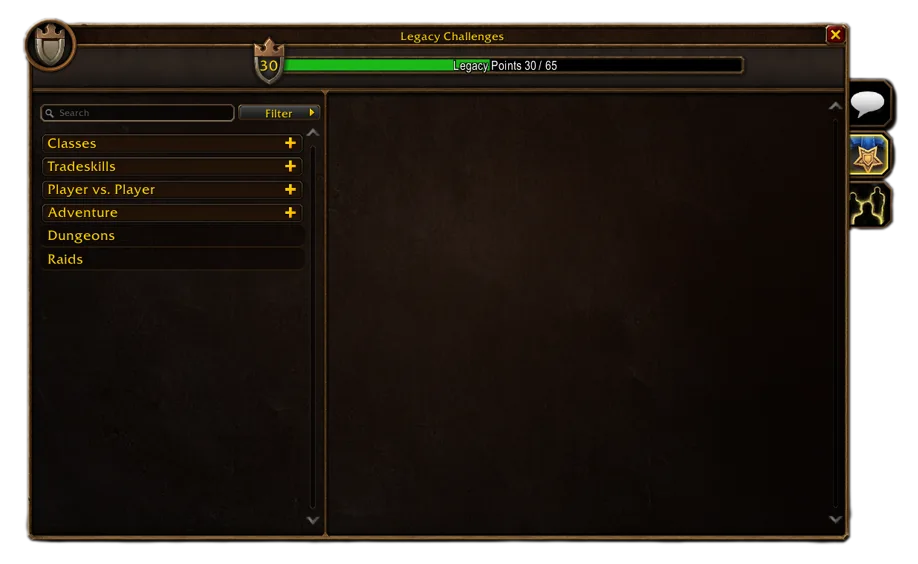
Why it matters: Alts share earned points without being forced into identical perk builds.
Challenges feed account-wide cosmetic and prestige rewards.
Previously: Era has no Legacy reward track shared across its characters.
Now: Earned Legacy points also unlock toys, the Spectral Bear Cub, a tabard, and a spectral mount. The announced reward track can progress beyond the 16-point character perk-spending limit.

Why it matters: Additional achievements still have value after a character finishes its perk allocation.
The cost moves toward the riding skill rather than the first mount.
Previously: Era players purchase riding training and a mount separately.
Now: Forever adopts the Burning Crusade-style approach described in its Deep Dive: learn the riding skill and receive a mount, with the up-front cost shifted into training.
Why it matters: The first riding purchase is easier to understand as one milestone.
A separate ruleset and separate Legacy challenge rules are planned.
Previously: Hardcore is separate from regular Era and already exists as its own Classic ruleset.
Now: Forever Hardcore will arrive after launch. Its Legacy challenges are earned separately; Hardcore achievements can carry into other rulesets, while ordinary achievements cannot unlock them in Hardcore.
Why it matters: Hardcore progression stays distinct rather than importing a finished account’s advantages.
Gameplay & Quality of Life
5 verified differences
Normal, PvP, and Roleplaying organize larger shared ecosystems.
Previously: Era characters belong to a chosen realm or connected-realm cluster.
Now: Forever replaces traditional realm selection with rulesets. Grouping and raids stay within a ruleset and faction; battlegrounds may cross rulesets, except Hardcore. Language preference also influences who you encounter.
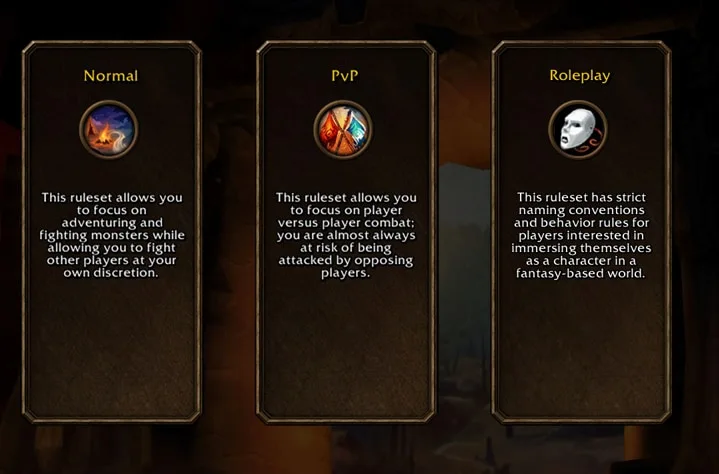

Why it matters: Agree on a ruleset with friends rather than trying to pick the same launch realm.
Environmental rendering updates and optional modern play controls.
Previously: Era preserves the original visual foundation and Classic controls.
Now: Forever previews flowing rivers, mist, and improved lighting, with model choices and gamepad UI. The October 8 beta adds gamepad action-bar editing and class flyouts.




Why it matters: Players can choose updated presentation while retaining an original-Azeroth atmosphere.
Track important abilities without adding a separate addon.
Previously: Era’s default UI has no Forever-style customizable Cooldown Manager.
Now: An optional manager tracks class cooldowns, racials, and trinkets in the October 8 beta. Consumable tracking is still planned, not part of that supported set.
Why it matters: Important combat timers can be placed where you prefer them.
Full names are unique across a region.
Previously: Era character names are unique on their realm.
Now: Two characters can share a first name if their full two-part names differ; uniqueness is checked across the region rather than one realm.

Why it matters: More naming choices fit a larger shared player population.
Additional player models and Druid forms are planned for early 2027.
Previously: The current Skyborne preview uses its new High Definition models.
Now: Blizzard is developing Standard Definition Skyborne characters and Druid forms; October’s preview images are work in progress, not models already shipped.

Why it matters: Know the difference between today’s visual options and future alternatives.