

Explore Azeroth anew
What's New in Wrath of the Lich King
Wrath of the Lich King compared with The Burning Crusade
Wrath of the Lich King takes The Burning Crusade's level-70 game north to Northrend: level 80, a tenth class, 51-point talents with glyphs, and every raid in 10- and 25-player sizes. Compare it with TBC below. Calculator data is pinned to the Wrath Classic client (3.4.5); the original 2008–2010 patches are labeled separately.
Calculator data: Wrath Classic 3.4.5.63697. Original 2008–2010 changes and Wrath Classic phases are labeled separately.
The familiar foundation
The races, the two-primary-profession limit, one talent point per level from 10, Outland and its flying, Heroic dungeons and arenas all carry over from TBC. Wrath adds a class, raises every cap and changes how stats, glyphs and raids work.
Leveling & progression
1 verified difference
The level cap rises from 70 to 80 with 71 talent points, and the adventure moves to Northrend.
Previously: TBC stops at level 70 with 61 talent points, and its endgame is in Outland.
Now: Wrath raises the cap to 80 and grants 71 talent points. Leveling starts in Borean Tundra or Howling Fjord and continues through Dragonblight, Grizzly Hills, Zul'Drak and Sholazar Basin to The Storm Peaks and Icecrown.
Two starting zones
Alliance and Horde both arrive in either Borean Tundra or Howling Fjord. Each has its own story and faction hubs, and you can quest through both.
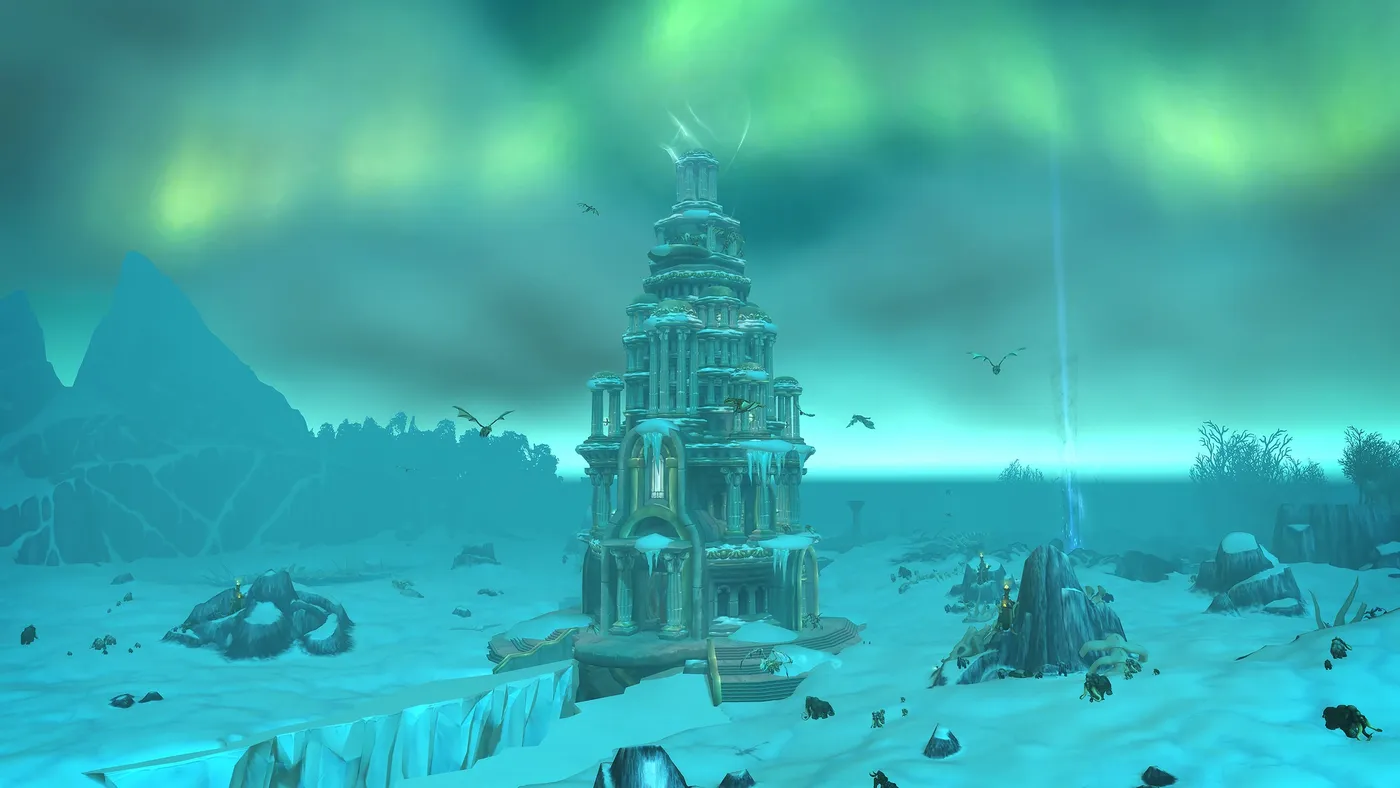
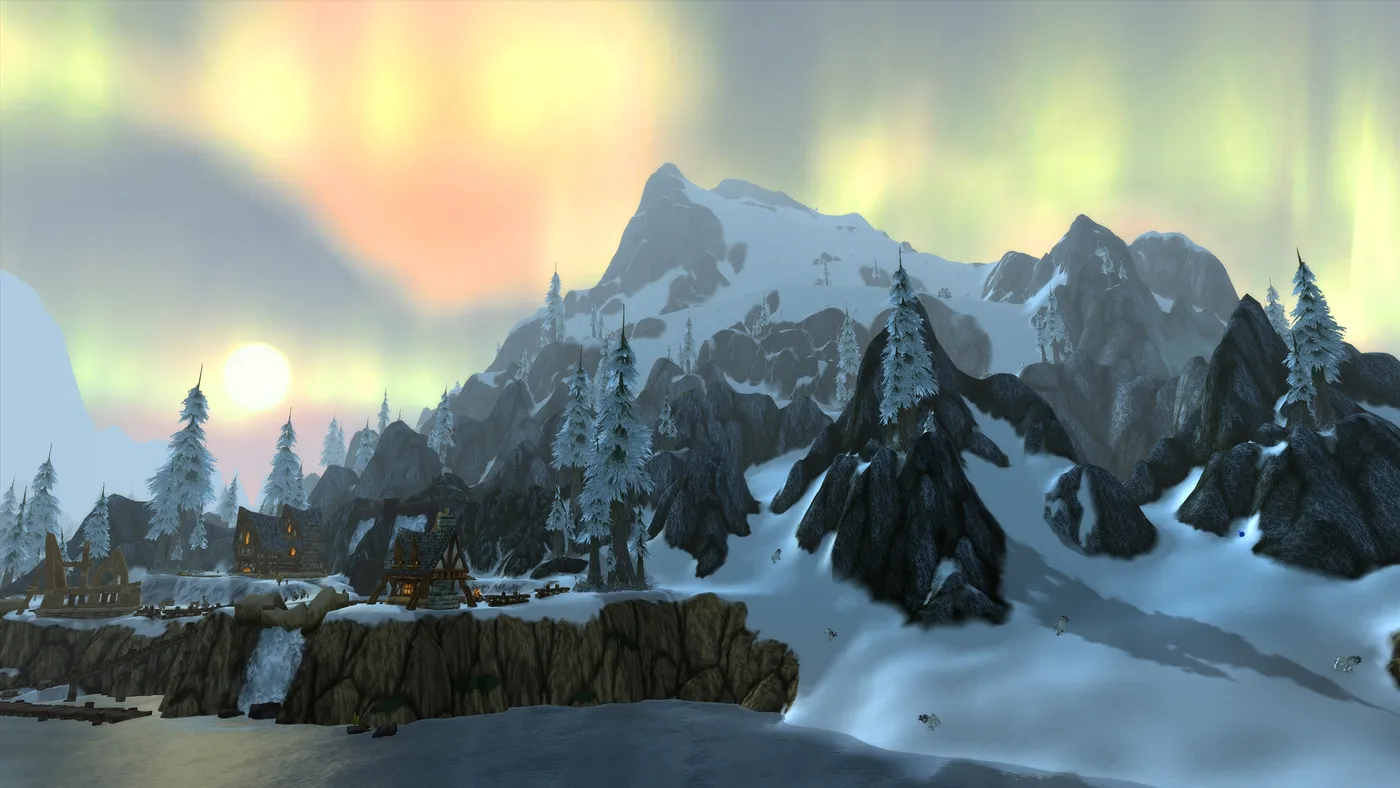
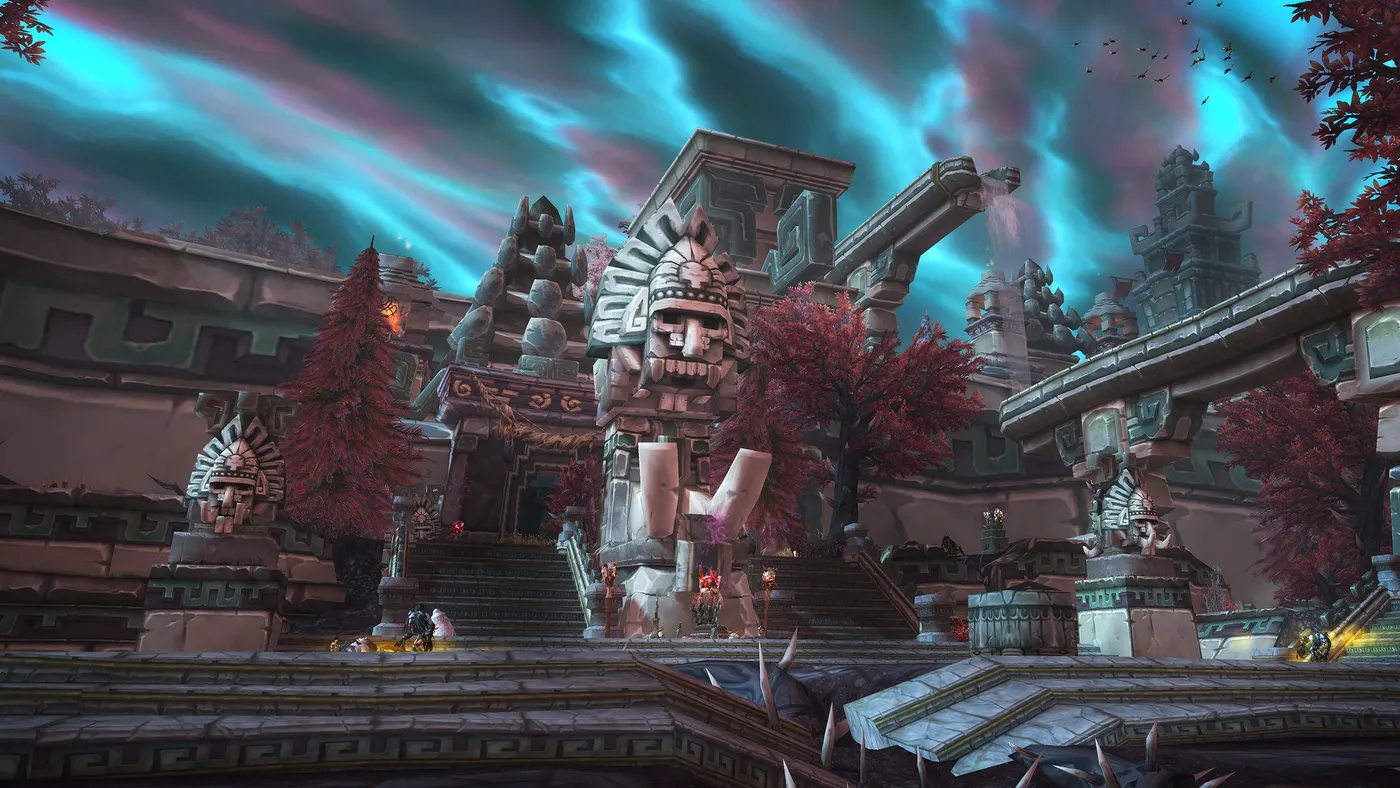
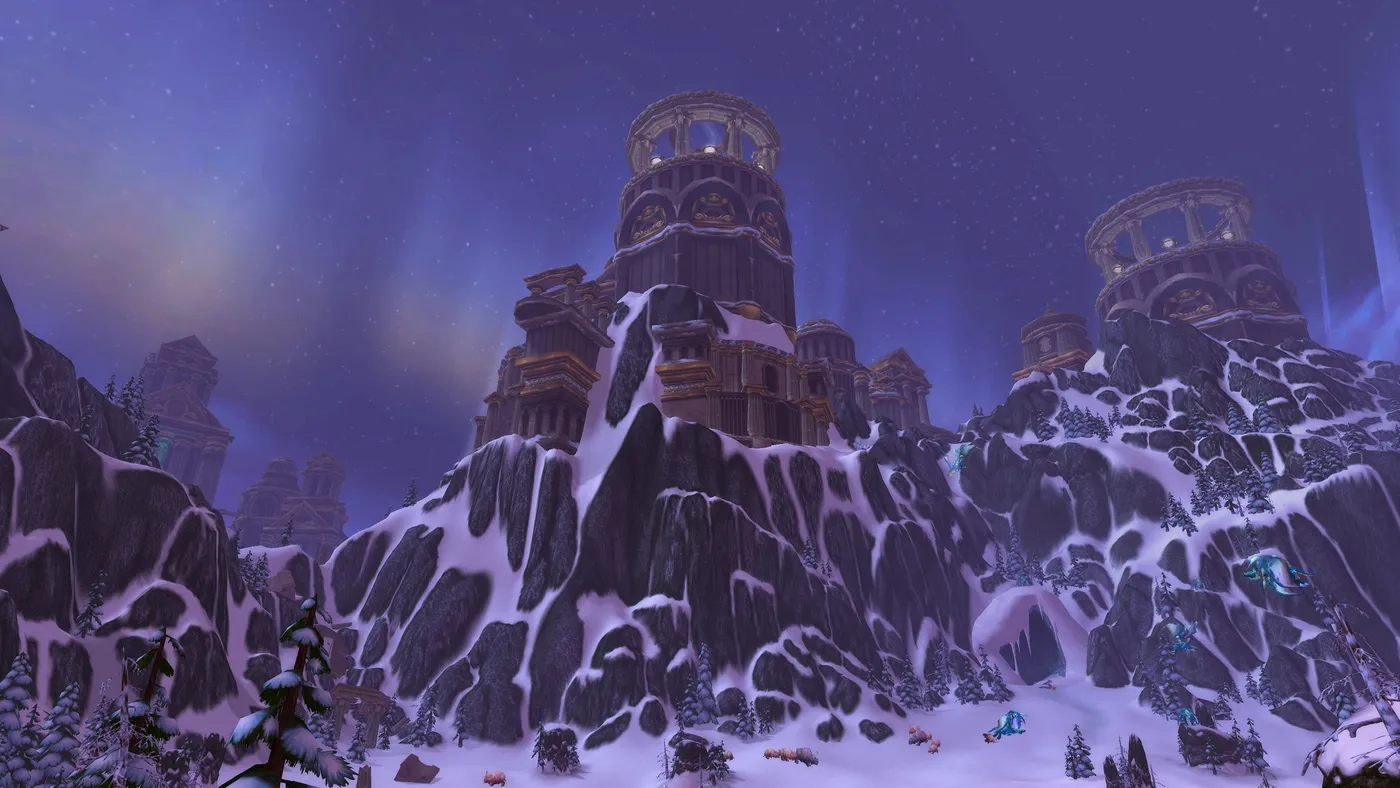
Why it matters: Ten more levels bring new spell ranks, 51-point talents and stronger gear. Choose any level up to 80 in the calculator to see what each level unlocks.
All ten classes
11 verified differences

Wrath's tenth class starts at level 55 in Acherus, the Ebon Hold, and fights with runes and runic power.
Previously: TBC has nine classes, and every character starts at level 1.
Now: Every race can create a Death Knight. It starts at level 55 in Acherus, the Ebon Hold, above the Eastern Plaguelands, and follows a class-only quest line before joining the rest of the world. In Wrath Classic your first Death Knight has no requirement except on Fresh Start realms; each further one needs a level-55 character on its realm, and a realm holds only one Death Knight.
Runes and runic power
Most abilities spend Blood, Frost or Unholy runes, which recharge over time; Death runes count as any type. Spending runes builds up to 100 runic power, which fuels abilities such as  Death Coil and drains away out of combat.
Presences and talent trees
Blood, Frost and  Unholy Presence each grant a different benefit, and only one can be active. The three trees end in
 Dancing Rune Weapon (Blood),
 Howling Blast (Frost) and
 Summon Gargoyle (Unholy).
 Raise Ally comes at 72,
 Empower Rune Weapon at 75 and
 Army of the Dead at 80.
 Runeforging
Death Knights enchant their weapons at a Runeforge, such as the one in Acherus. Runeforges replace normal weapon enchantments rather than stacking with them.
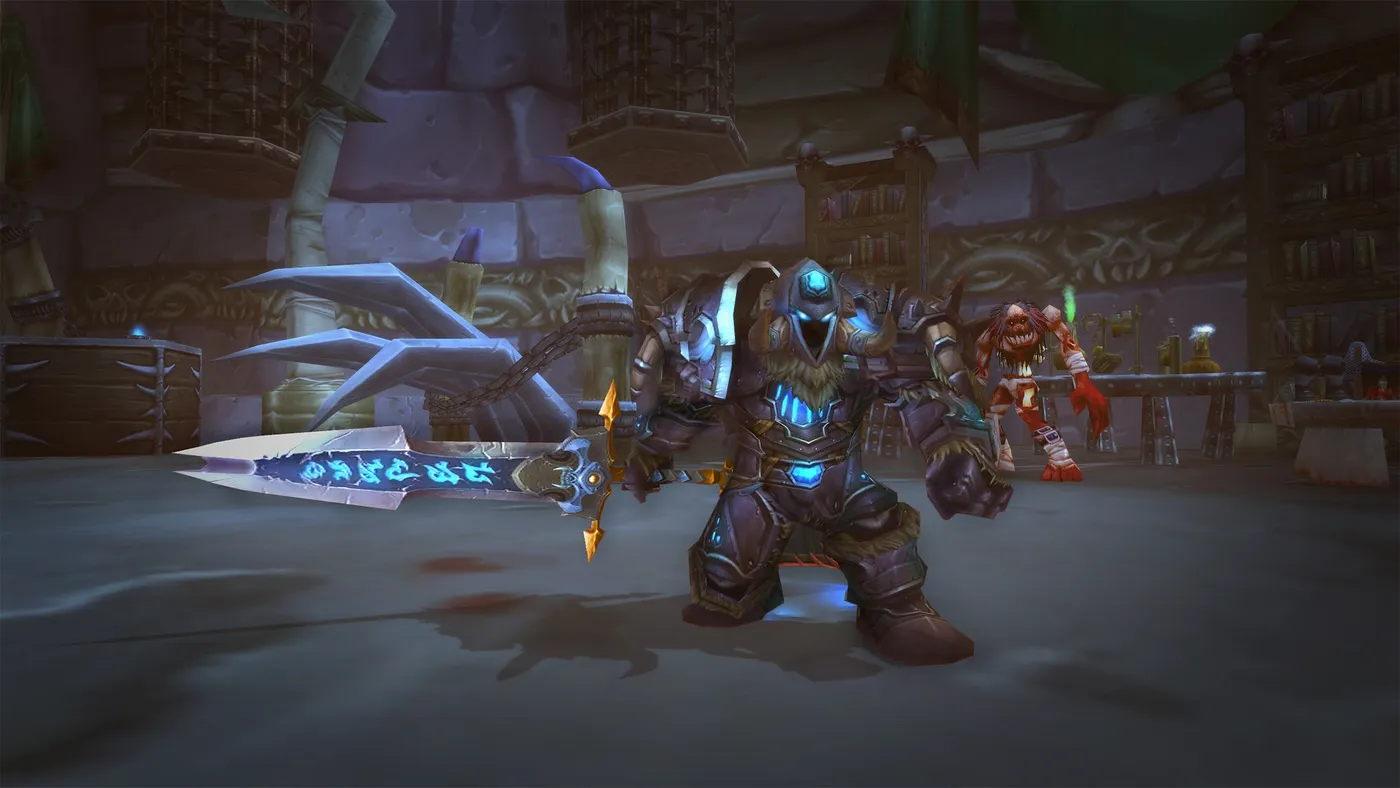
Why it matters: The class has its own resources, so its talents and rotation work unlike any other class. Open the Death Knight calculator to plan Blood, Frost or Unholy builds at level 80.
Every tree gains a deeper tier ending in a 51-point talent, and glyphs add up to three major and three minor changes to spells.
Previously: TBC trees end at 41 points, and only talents and gear change how a spell works.
Now: Each tree's final talent costs 51 points in that tree, and a level-80 character has 71 points to spend. Glyphs made by scribes go into up to six slots, three major and three minor, unlocked while leveling, and can be overwritten like gems.
Dual talent specialization
Patch 3.1 lets characters from level 40 buy a second talent specialization from their class trainer and switch between the two.
Why it matters: A 51-point talent leaves 20 points for a second tree, so hybrid builds work differently than at 70. The calculator shows every tree's requirements and compares builds.

New 51-point talents in every tree, and new trained abilities from level 71 to 80.
Previously: The TBC Warrior stops at level 70, and its trees end in 41-point talents:  Endless Rage,
 Rampage and
 Devastate.
Now: Each tree now ends in a 51-point talent:  Bladestorm (Arms),
 Titan's Grip (Fury) and
 Shockwave (Protection). Trainers teach
 Shattering Throw at 71,
 Enraged Regeneration at 75 and
 Heroic Throw at 80.
Why it matters: Compare the WotLK spellbook and talent calculator with TBC to see every new rank, cost and cooldown. These are highlights, not a complete list.

New 51-point talents in every tree, and new trained abilities from level 71 to 80.
Previously: The TBC Paladin stops at level 70, and its trees end in 41-point talents:  Divine Illumination,
 Avenger's Shield and
 Crusader Strike.
Now: Each tree now ends in a 51-point talent:  Beacon of Light (Holy),
 Hammer of the Righteous (Protection) and
 Divine Storm (Retribution). Trainers teach
 Divine Plea at 71,
 Shield of Righteousness at 75 and
 Sacred Shield at 80.
Auras and  Blessing of Kings
From patch 3.1, auras persist through death with a 40-yard radius, and Blessing of Kings is trainable at level 20.
Why it matters: Compare the WotLK spellbook and talent calculator with TBC to see every new rank, cost and cooldown. These are highlights, not a complete list.

New 51-point talents in every tree, and new trained abilities from level 71 to 80.
Previously: The TBC Hunter stops at level 70, and its trees end in 41-point talents:  The Beast Within,
 Silencing Shot and
 Readiness.
Now: Each tree now ends in a 51-point talent:  Beast Mastery (Beast Mastery),
 Chimera Shot (Marksmanship) and
 Explosive Shot (Survival). Trainers teach
 Kill Shot at 71,
 Aspect of the Dragonhawk at 74,
 Master's Call at 75 and
 Freezing Arrow at 80.
Pets and aspects
Pets gain their own talent trees and every family has a unique ability, and the stable holds two more pets. Aspects no longer cost mana, and  Aimed Shot becomes an instant shot on a 10-second cooldown.
Why it matters: Compare the WotLK spellbook and talent calculator with TBC to see every new rank, cost and cooldown. These are highlights, not a complete list.

New 51-point talents in every tree, and new trained abilities from level 71 to 80.
Previously: The TBC Rogue stops at level 70, and its trees end in 41-point talents:  Mutilate,
 Surprise Attacks and
 Shadowstep.
Now: Each tree now ends in a 51-point talent:  Hunger For Blood (Assassination),
 Killing Spree (Combat) and
 Shadow Dance (Subtlety). Trainers teach
 Tricks of the Trade at 75 and
 Fan of Knives at 80.
Why it matters: Compare the WotLK spellbook and talent calculator with TBC to see every new rank, cost and cooldown. These are highlights, not a complete list.

New 51-point talents in every tree, and new trained abilities from level 71 to 80.
Previously: The TBC Priest stops at level 70, and its trees end in 41-point talents:  Pain Suppression,
 Circle of Healing and
 Vampiric Touch.
Now: Each tree now ends in a 51-point talent:  Penance (Discipline),
 Guardian Spirit (Holy) and
 Dispersion (Shadow). Trainers teach
 Mind Sear at 75, and
 Divine Hymn and
 Hymn of Hope at 80.
Why it matters: Compare the WotLK spellbook and talent calculator with TBC to see every new rank, cost and cooldown. These are highlights, not a complete list.

New 51-point talents in every tree, and new trained abilities from level 71 to 80.
Previously: The TBC Shaman stops at level 70, and its trees end in 41-point talents:  Totem of Wrath,
 Shamanistic Rage and
 Earth Shield.
Now: Each tree now ends in a 51-point talent:  Thunderstorm (Elemental),
 Feral Spirit (Enhancement) and
 Riptide (Restoration). Trainers teach
 Lava Burst at 75 and
 Hex at 80.
Why it matters: Compare the WotLK spellbook and talent calculator with TBC to see every new rank, cost and cooldown. These are highlights, not a complete list.

New 51-point talents in every tree, and new trained abilities from level 71 to 80.
Previously: The TBC Mage stops at level 70, and its trees end in 41-point talents:  Slow,
 Dragon's Breath and
 Summon Water Elemental.
Now: Each tree now ends in a 51-point talent:  Arcane Barrage (Arcane),
 Living Bomb (Fire) and
 Deep Freeze (Frost). Trainers teach
 Frostfire Bolt and
 Conjure Refreshment at 75 and
 Mirror Image at 80.
Why it matters: Compare the WotLK spellbook and talent calculator with TBC to see every new rank, cost and cooldown. These are highlights, not a complete list.

New 51-point talents in every tree, and new trained abilities from level 71 to 80.
Previously: The TBC Warlock stops at level 70, and its trees end in 41-point talents:  Unstable Affliction,
 Summon Felguard and
 Shadowfury.
Now: Each tree now ends in a 51-point talent:  Haunt (Affliction),
 Metamorphosis (Demonology) and
 Chaos Bolt (Destruction). Trainers teach
 Shadowflame at 75 and Demonic Circle at 80.
Why it matters: Compare the WotLK spellbook and talent calculator with TBC to see every new rank, cost and cooldown. These are highlights, not a complete list.

New 51-point talents in every tree, and new trained abilities from level 71 to 80.
Previously: The TBC Druid stops at level 70, and its trees end in 41-point talents:  Force of Nature,
 Mangle and
 Tree of Life.
Now: Each tree now ends in a 51-point talent:  Starfall (Balance),
 Berserk (Feral Combat) and
 Wild Growth (Restoration). Trainers teach
 Swipe (Cat) at 71,
 Savage Roar at 75 and
 Nourish at 80.
Balance and forms
 Hurricane loses its cooldown,
 Entangling Roots works indoors, and
 Moonkin Form restores mana on spell critical strikes instead of melee attacks.
Why it matters: Compare the WotLK spellbook and talent calculator with TBC to see every new rank, cost and cooldown. These are highlights, not a complete list.
Dungeons & raids
4 verified differences
Twelve dungeons open at launch, Trial of the Champion and the three Frozen Halls follow, and each has a level-80 Heroic mode.
Previously: TBC's dungeons are in Outland, the Caverns of Time and the Isle of Quel'Danas, with Heroic modes at level 70.
Now: Utgarde Keep, The Nexus, Azjol-Nerub, Ahn'kahet: The Old Kingdom, Drak'Tharon Keep, The Violet Hold, Gundrak, Halls of Stone, Halls of Lightning, The Oculus, Utgarde Pinnacle and The Culling of Stratholme open at launch. Trial of the Champion arrives with Call of the Crusade, and The Forge of Souls, Pit of Saron and Halls of Reflection with Fall of the Lich King.
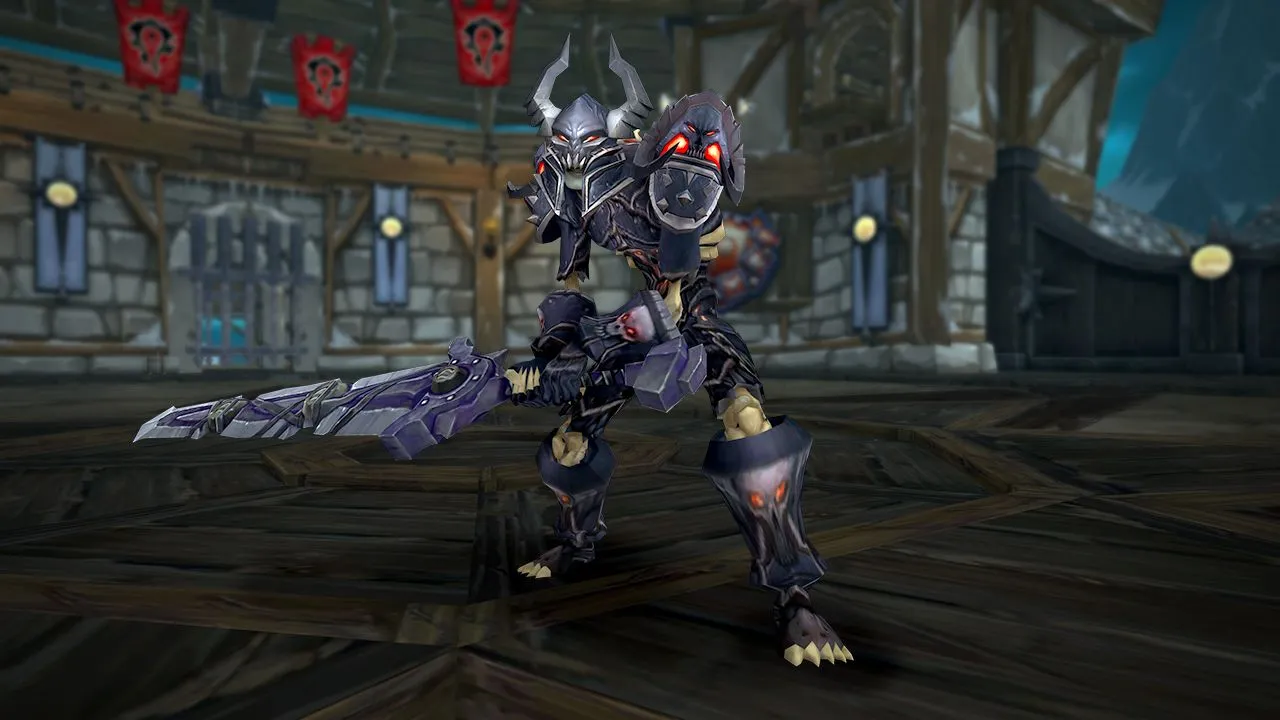
Why it matters: Heroic dungeons and their emblems are the main route into raid gear. The dungeon guides list every boss, drop and quest.
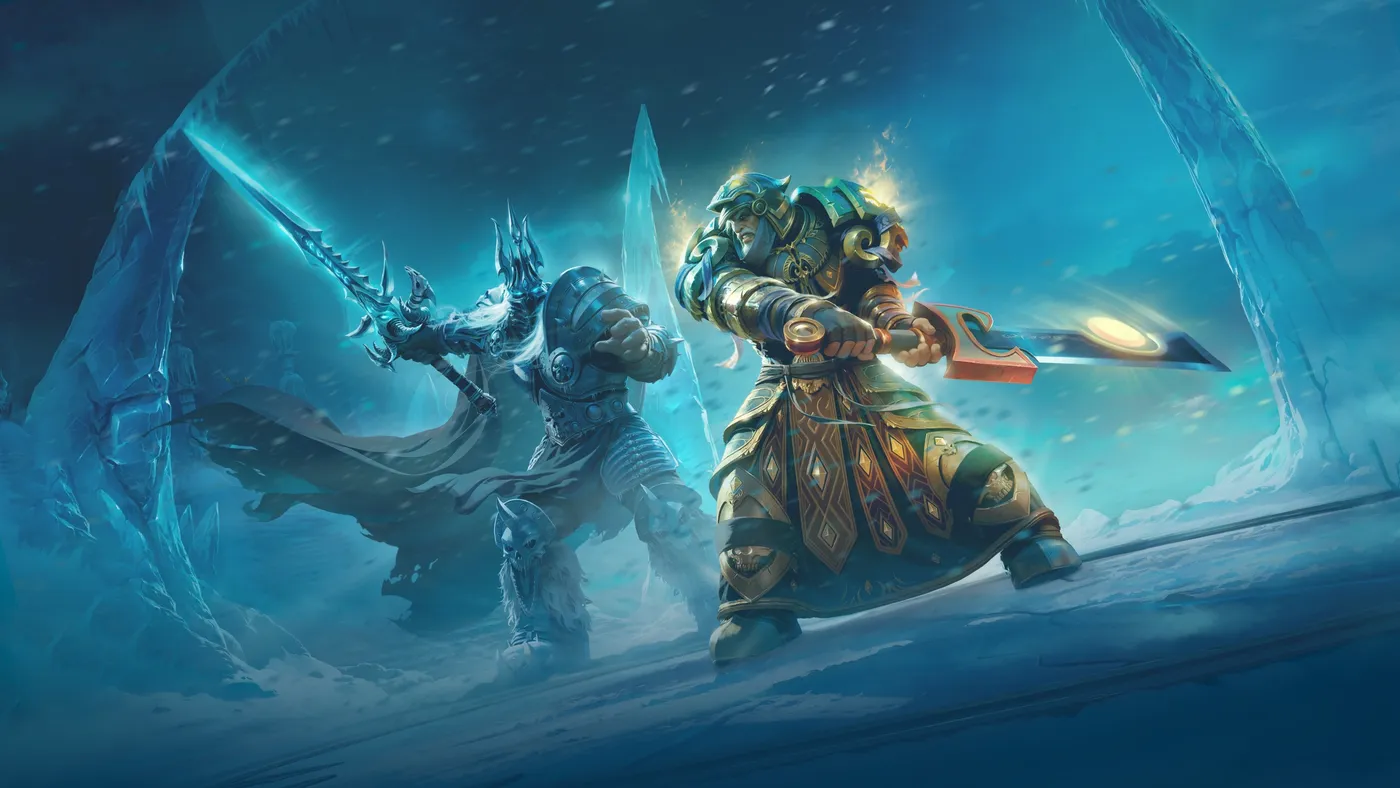
Naxxramas returns for level 80, and every Wrath raid has a 10-player and a 25-player version.
Previously: TBC raids have one size: Karazhan and Zul'Aman for 10 players, the others for 25.
Now: Wrath Classic opened its raids in phases: Naxxramas, The Eye of Eternity and The Obsidian Sanctum on October 6, 2022; Ulduar on January 19, 2023; Trial of the Crusader and a level-80 Onyxia's Lair on June 22, 2023; Icecrown Citadel on October 12, 2023; and The Ruby Sanctum on January 11, 2024. The Vault of Archavon in Wintergrasp gains a boss in later phases.
Hard modes and Heroic raids
Ulduar's bosses have optional hard modes, Trial of the Grand Crusader is the Heroic Trial of the Crusader, and Icecrown Citadel can be played in Normal or Heroic mode.

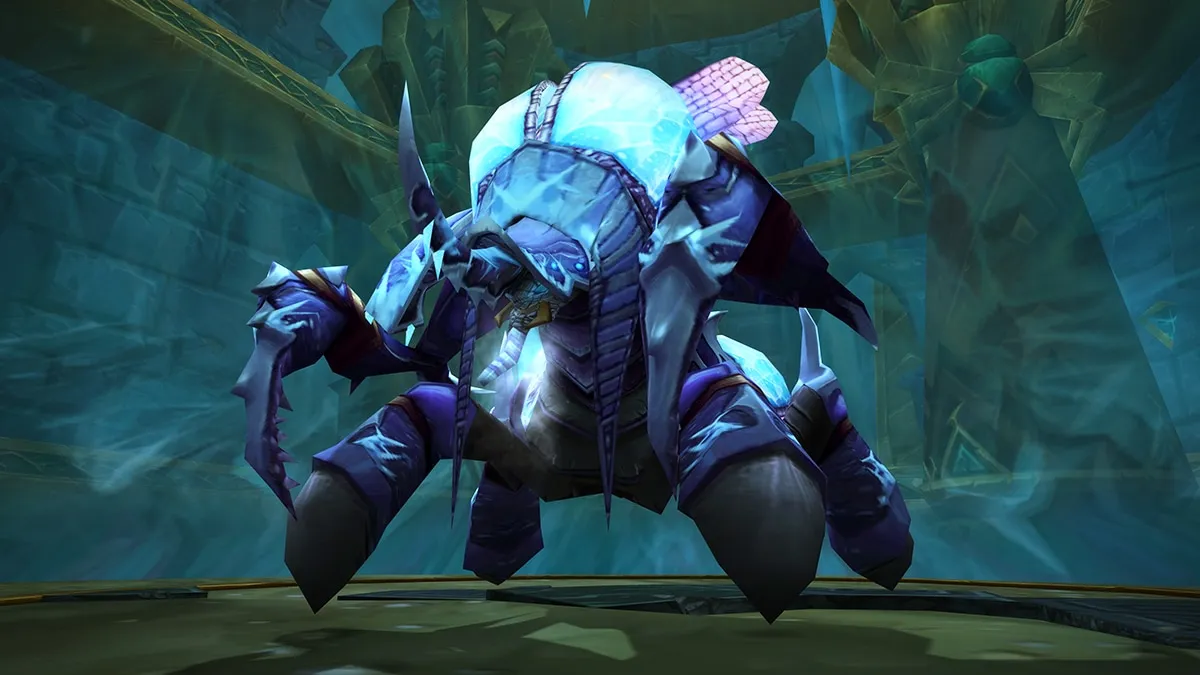
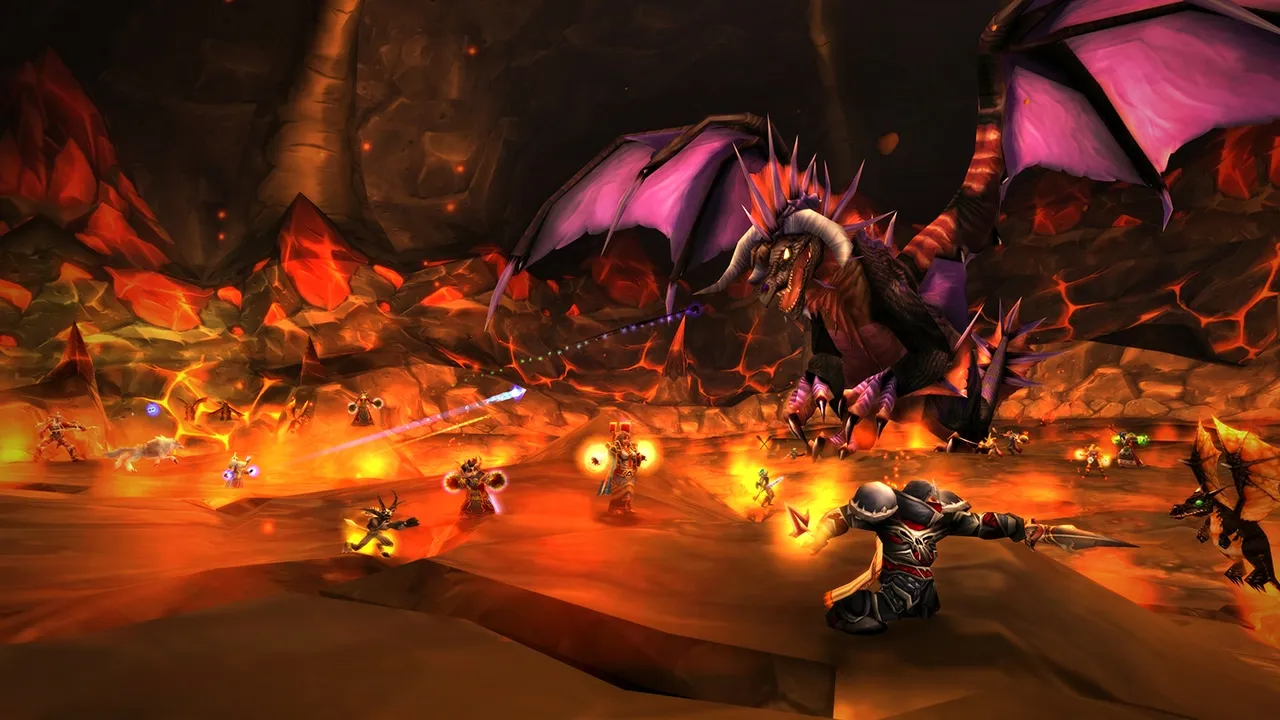
Why it matters: Smaller guilds can raid the whole tier in 10-player groups. The raid guides list every boss, its abilities and its drops.
Northrend bosses drop Emblems, and later phases add stronger ones.
Previously: TBC bosses drop Badges of Justice, spent at vendors in Shattrath and on the Isle of Quel'Danas.
Now: With Ulduar, Wrath Classic added the Emblem of Conquest from Ulduar bosses and the Heroic daily quest, moved Emblems of Valor to Heroic dungeon bosses, and stopped Heroic bosses from dropping Emblems of  Heroism. A money changer in Dalaran exchanges higher emblems for Emblems of Heroism. In the original release, patch 3.2 added Emblems of Triumph from the Crusaders' Coliseum.
Why it matters: Emblems let dungeon groups buy raid-quality gear, so the best emblem of each phase decides where to farm.
Wrath Classic adds a harder Heroic dungeon mode whose bosses drop raid gear.
Previously: In TBC and the original Wrath, Heroic is the hardest dungeon mode.
Now: From January 2023, a Mysterious Titanic Relic at each level-80 Heroic dungeon turns on Defense Protocol Alpha: enemies gain health, damage and extra effects, and bosses can drop gear from 10-player Naxxramas, The Eye of Eternity and The Obsidian Sanctum. Defense Protocol Beta (June 2023) drops 10-player Ulduar loot and Sidereal Essence for hard-mode Ulduar items, and Defense Protocol Gamma (October 2023) offers buffs and drops Defiler's Scourgestones for 25-player Trial of the Crusader items.
Why it matters: Small groups can earn raid-level gear outside raids, which helps alts and late starters catch up.
PvP
2 verified differences
A level-80 PvP zone with siege vehicles; the winning faction gains access to the Vault of Archavon raid.
Previously: TBC's world PvP is a set of capture objectives in Outland zones.
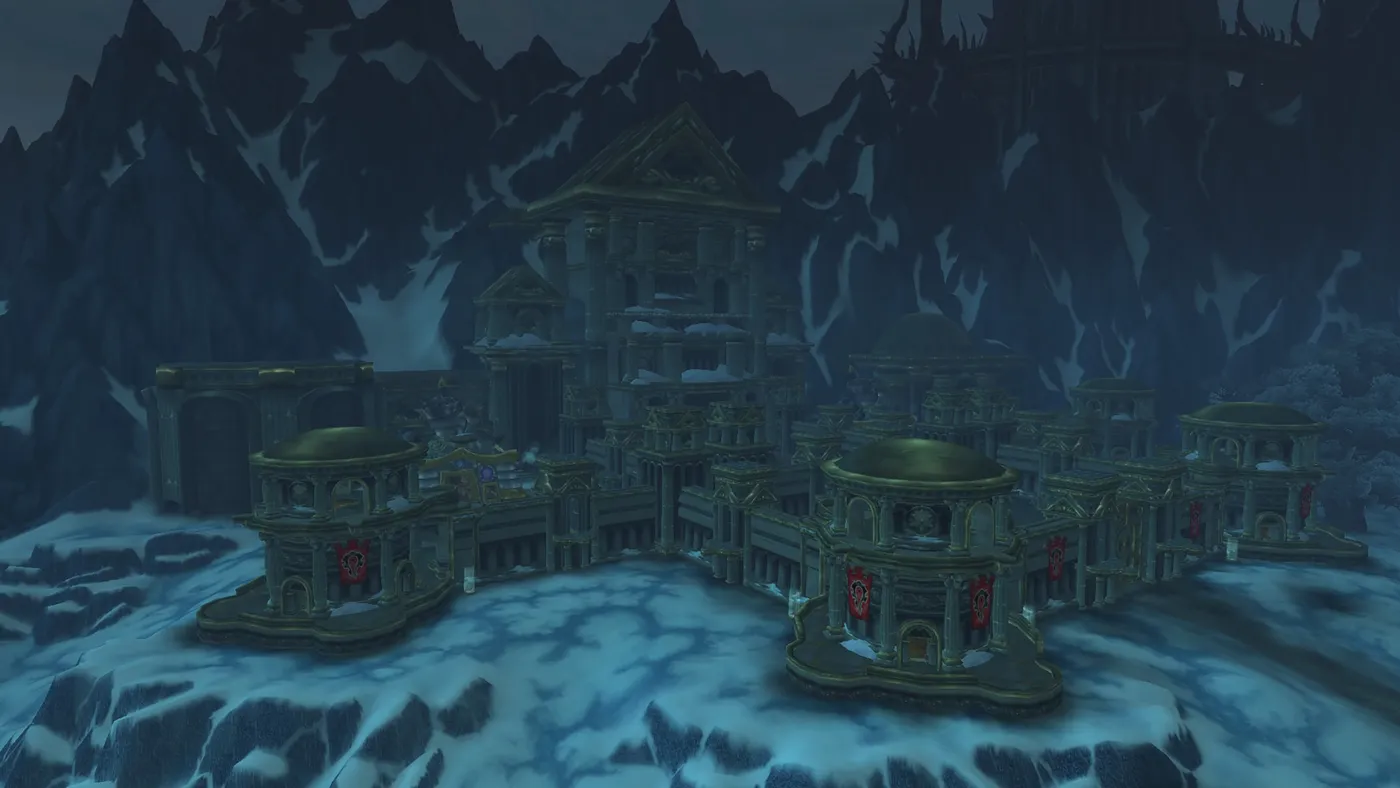
Now: In Wrath Classic the Battle for Wintergrasp is an instanced epic battleground every three hours: players in Wintergrasp get a queue prompt, and players in Dalaran can queue at an NPC. Tenacity strengthens the outnumbered side. If your faction wins, all of it gets Essence of Wintergrasp until the next battle, which opens the Vault of Archavon and the zone's Stone Keeper's Shard rewards.
Different from 2008
The original battle was fought in the open zone. Blizzard rebuilt it as a battleground because it could not work across Wrath Classic's realm layers; Wintergrasp remains an outdoor PvP zone between battles.
Why it matters: Each battle decides who can raid the Vault of Archavon until the next one, so PvE players watch the timer too.
Strand of the Ancients and the Isle of Conquest join the battlegrounds; Dalaran Sewers and the Ring of Valor join the arenas.
Previously: TBC has four battlegrounds (Warsong Gulch, Arathi Basin, Alterac Valley and  Eye of the Storm) and three arenas (Nagrand Arena, Blade's Edge Arena and Ruins of Lordaeron).
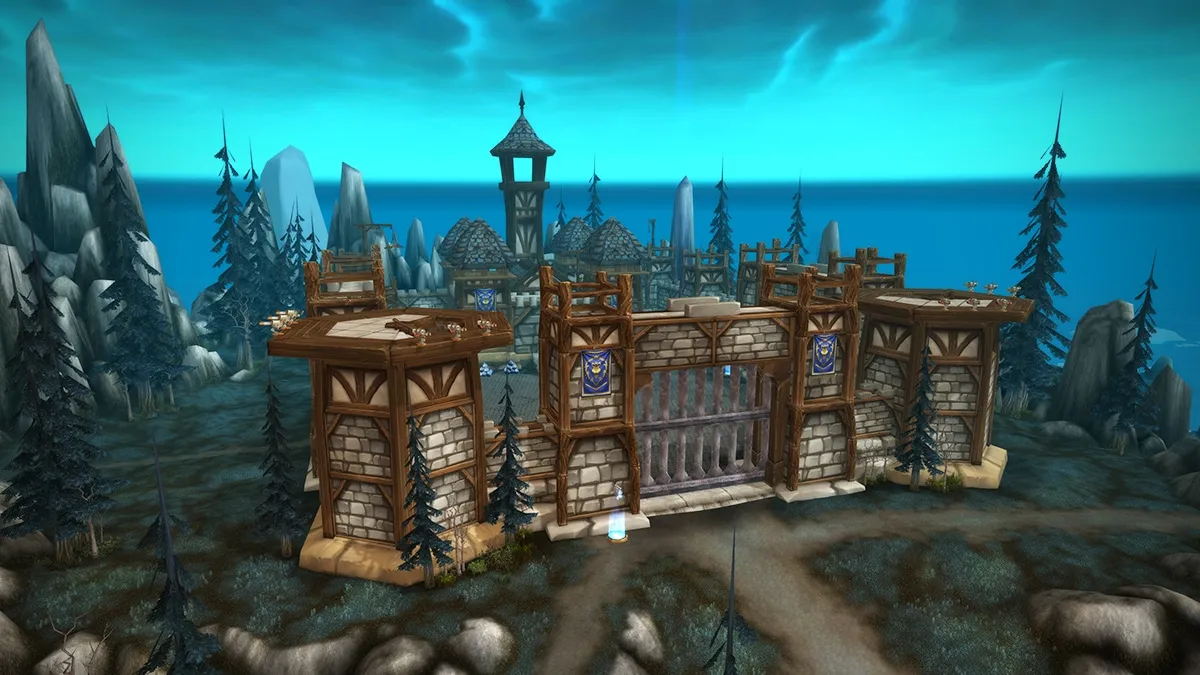
Now: Strand of the Ancients is a siege battleground with vehicles, and the Isle of Conquest is a 40-vs-40 siege battle added with Call of the Crusade. Arena seasons follow the phases: Season 5 from October 2022, Season 6 with Ulduar and Season 7 with Call of the Crusade.
Why it matters: Vehicles and new arena layouts change team setups. The PvP pages cover each battleground and arena, and the Arena Points calculator uses Wrath's rules.
Professions
2 verified differences
A new primary profession that mills herbs into inks and writes glyphs, scrolls, off-hand tomes and Darkmoon Cards.
Previously: TBC has no  Inscription;
 Jewelcrafting is its newest profession.
Now: Scribes mill herbs into pigments, turn pigments into inks and combine inks with parchment. Glyphs are learned from trainers and by research and are sold to every class; scribes also make scrolls, off-hand tomes, Darkmoon Cards and, in Northrend, Master's Inscriptions for their own shoulders, stronger than the ones other players can get.
Pair it with  Herbalism
Pigments come from milled herbs, so Blizzard recommends pairing Inscription with Herbalism or buying herbs at the Auction House.
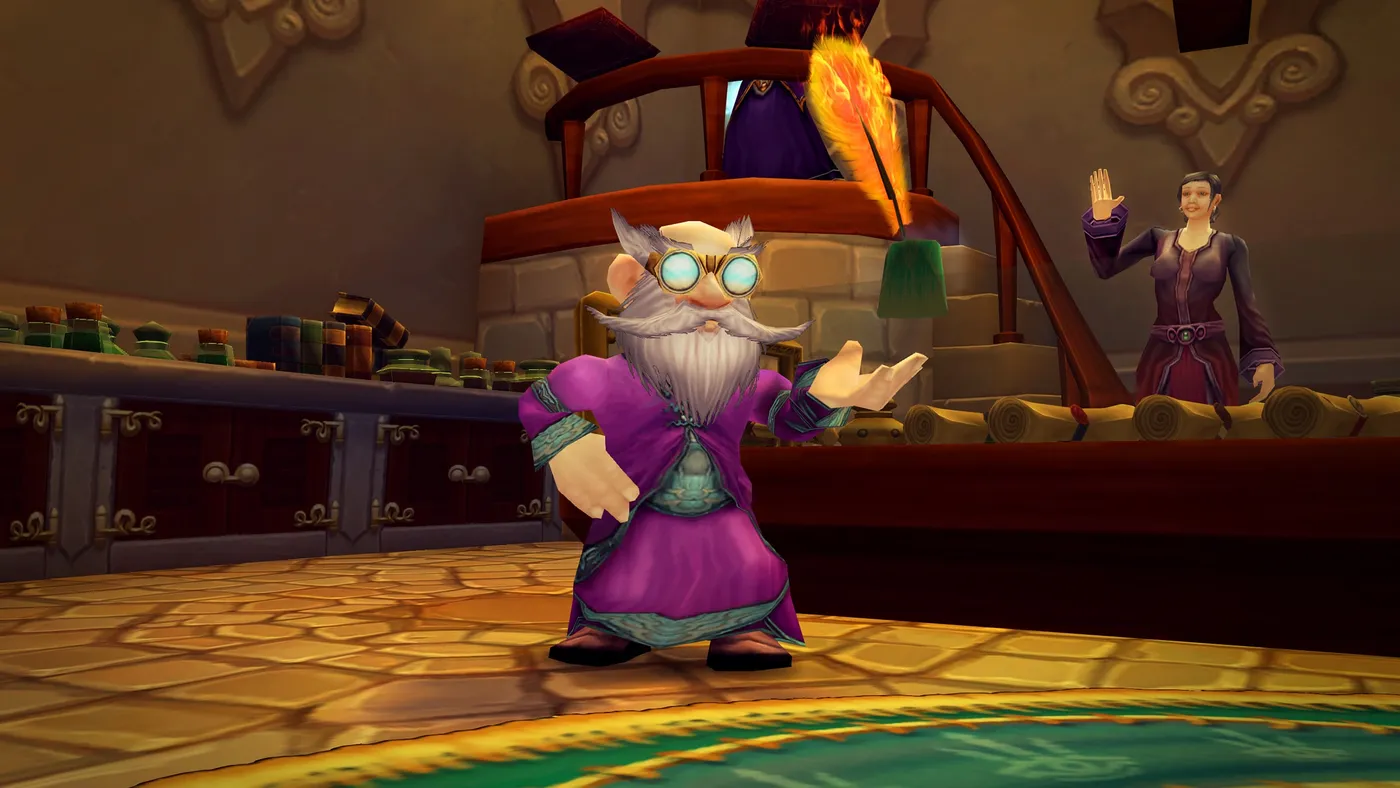
Why it matters: Glyphs change spells for every class, so scribes supply the whole realm. The Inscription wiki lists every recipe.
Every profession rises from 375 to 450, and each gives its crafter a unique bonus.
Previously: TBC professions stop at Master, skill 375.
Now: Grand Master training in Northrend raises each profession to 450. Each profession in Wrath also gives its own crafter a perk; for scribes that is Master's Inscriptions.
Why it matters: Profession perks add power you can't buy, so profession choice matters for raiders. The profession wiki lists every WotLK recipe.
Northrend & flying
3 verified differences
Flying in Northrend needs its own training, Cold Weather Flying.
Previously: In TBC, flying mounts work only in Outland.
Now: At Wrath Classic's launch, Cold Weather Flying required level 77 and Expert Riding or a druid's  Flight Form. It is trained in Dalaran, at K3 in The Storm Peaks or at River's Heart in Sholazar Basin. Once a character has it at level 80, a Tome of Cold Weather Flight lets that player's alts learn it at 68.
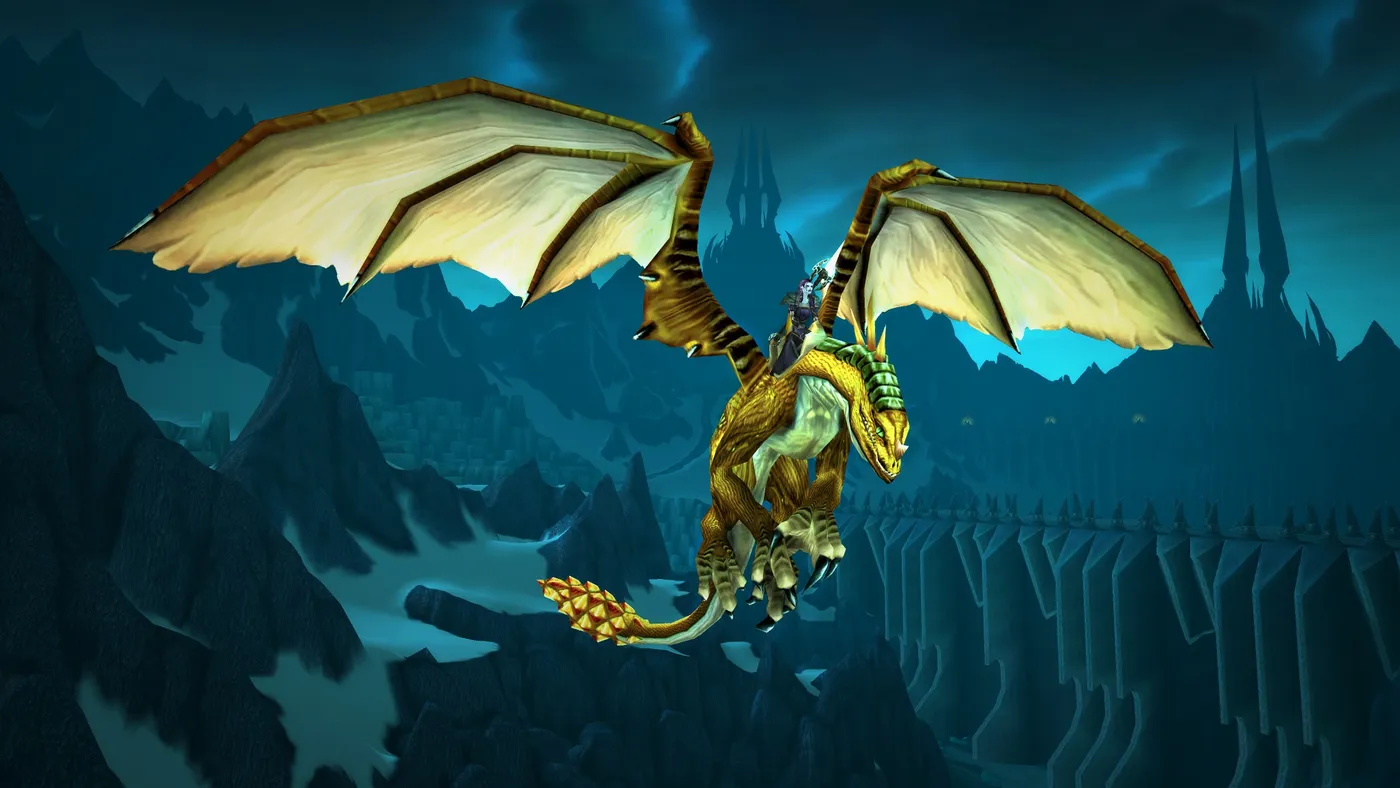
Why it matters: Leveling on the ground until 77 shapes routes through Northrend. The World Map shows Northrend's flight paths, ships and zeppelins.
Dalaran leaves the Alterac Mountains to float over Northrend as a city for both factions.
Previously: TBC's neutral capital is Shattrath City in Terokkar Forest.
Now: Patch 3.0.2 moves Dalaran to Northrend. Mages learn  Teleport: Dalaran at 71 and
 Portal: Dalaran at 74, and later phases put Emblem of Conquest vendors, a money changer and the Wintergrasp queue in the city.
Why it matters: Most endgame vendors and queues meet in one city.
A jousting and daily quest hub in Icecrown, beside the Crusaders' Coliseum.
Previously: TBC's last daily quest hub is the Isle of Quel'Danas.
Now: The Argent Crusade's tournament grounds in Icecrown offer jousting, daily quests and rewards. In Wrath Classic its daily quest hub opened with Ulduar in January 2023, and the full tournament north of Sindragosa's Fall came with Call of the Crusade in June 2023, next to the Trial of the Champion and the Trial of the Crusader.
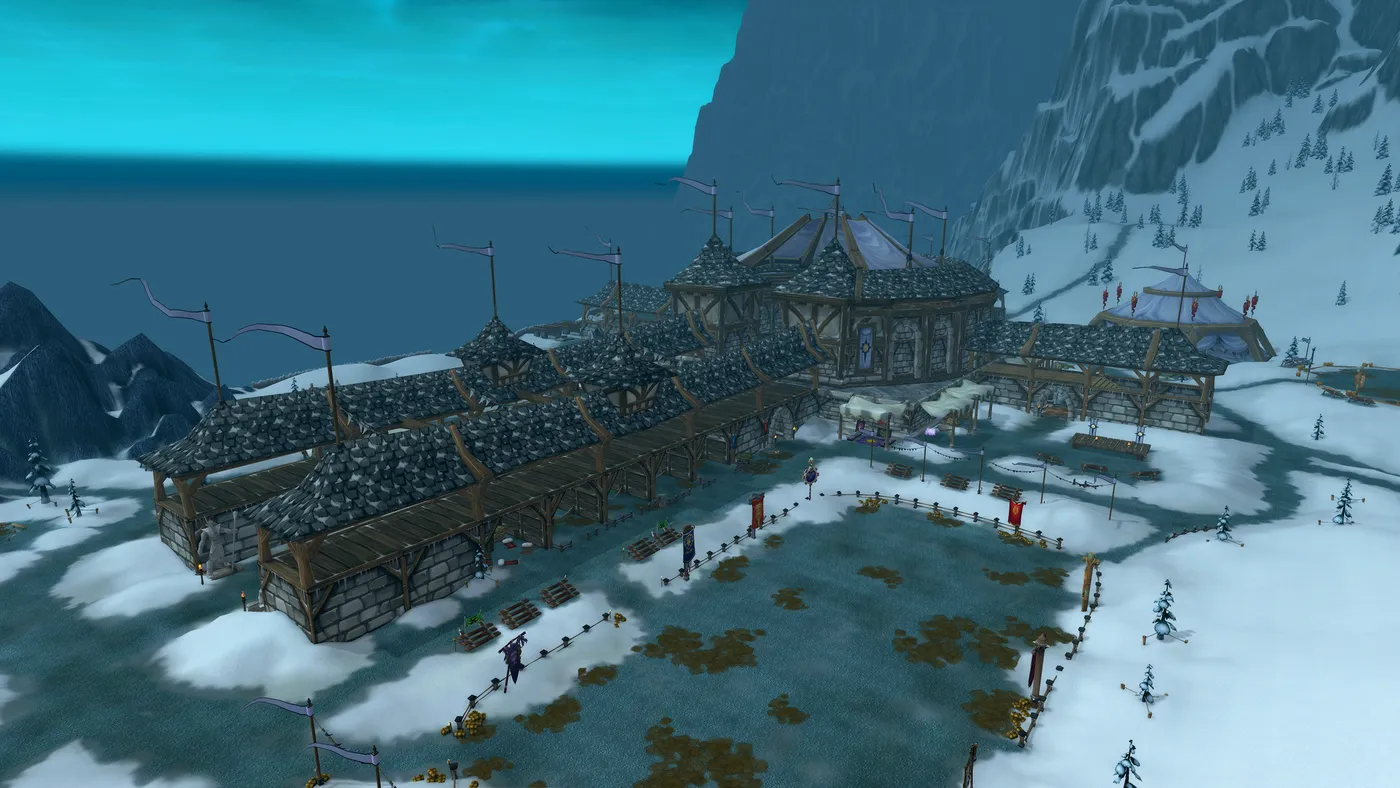
Why it matters: Its dailies are a steady source of gold, reputation and mounts, pets and tabards.
Combat rules & systems
3 verified differences
Achievements arrive with the pre-patch; later phases add guild calendar events, the Random Dungeon Finder and a Collections window.
Previously: The original TBC has no achievements, calendar or dungeon finder.
Now: Achievements come in categories from General and Quests to Feats of Strength, and many earlier deeds count. In Wrath Classic, the Ulduar phase lets guild masters and officers create calendar events, and Fall of the Lich King adds the Random Dungeon Finder for Normal, Heroic and Defense Protocol dungeons, quest objectives on the map and a Collections window for mounts, pets and heirlooms.
Why it matters: The Dungeon Finder makes groups for alts and late starters much faster to form.
Spell damage and healing bonuses merge into spell power, and hit, critical strike and haste ratings apply to attacks and spells alike.
Previously: TBC keeps separate bonuses for spell damage and healing, and separate melee and spell ratings for hit, critical strike and haste.
Now: From patch 3.0.2, one spell power stat raises both damage and healing, and one rating each for hit, critical strike and haste covers melee, ranged attacks and spells. Patch 3.1 made armor penetration rating 25% stronger and cut mana regeneration from Intellect and Spirit while in combat.
Why it matters: Gear moves between roles more easily, and ratings convert differently at level 80 than at 70. The calculator's character sheet uses WotLK's own level-80 conversions.
Wrath Classic replayed the expansion in five phases, with some changes of its own.
Previously: The original expansion added its raids, dungeons and systems in patches from 3.0 to 3.3.5, between 2008 and 2010.
Now: Wrath Classic opened its content in phases from 2022 to 2024 and changed some systems: Wintergrasp is an instanced battleground, Titan Rune Dungeons are new, emblem rewards were reorganized with Ulduar, Icecrown Citadel opened with all twelve bosses, and your first Death Knight needs no level-55 character.
Why it matters: Guides written for the original 2009–2010 patches can be wrong about Wrath Classic's timing and rewards. The roadmap shows both timelines.